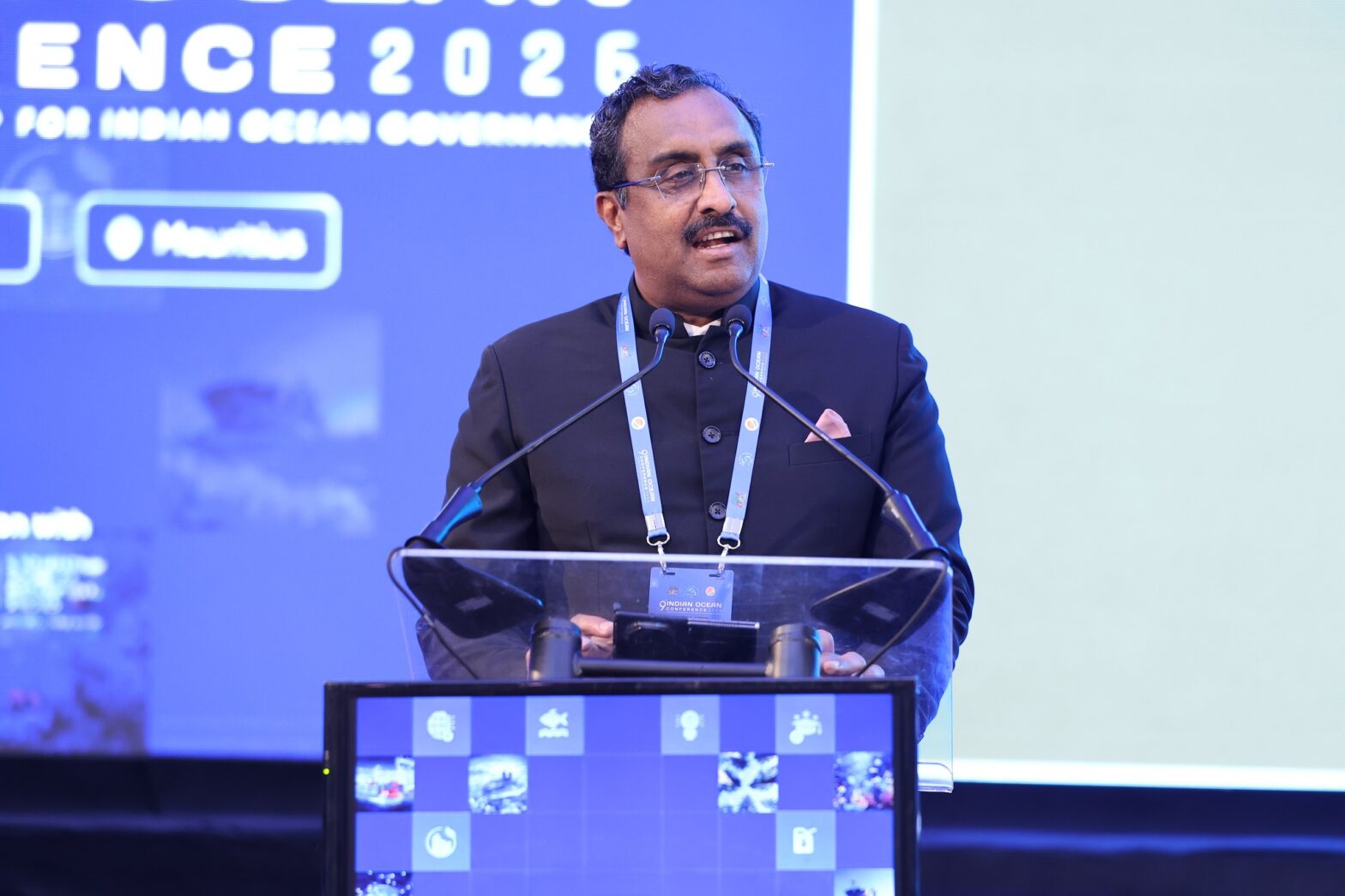
It gives me immense pleasure to invite you to the 9th edition of the Indian Ocean Conference here in Mauritius. This conference is taking place under extraordinary circumstances. There is an ongoing conflict, with an uncertain diplomatic pause, in our neighbourhood at this moment.
The conflict is limited to just three countries, but its consequences are being felt by almost all countries in the world. The economy, trade and travel have been severely affected in our region and beyond. There are many important lessons that the current situation teaches us.
- One, no conflicts are local. All conflicts will have regional and global consequences.
- Two, we have entered the age of middle powers and multipolarity, rather than unipolar or bipolar superpower geopolitics.
- Third, and most importantly, all future geopolitics will be regional.
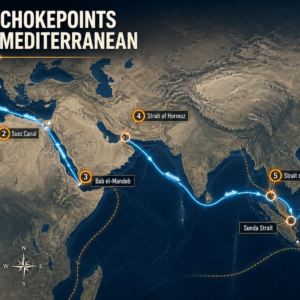
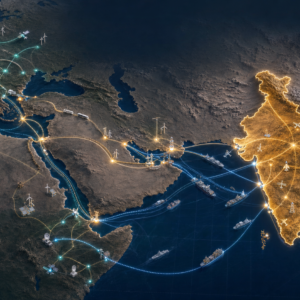
We, the nations assembled here, belong to the Indian Ocean Region. It is the most dynamic region in the world today. The Indian Ocean Region has emerged in this century as the global power axis. 40 per cent of global bulk container traffic and 70 per cent of the world’s energy trade pass through this region. This region is home to 3 of the world’s top 5 economies. Incidentally, 3 of the 5 largest militaries are also based here.
We long prided ourselves on the peace and freedom that prevailed in our region. But sadly, today we realise that this tranquil region is turning into a volatile one. Where there is volatility, there is always room for big-power intervention and politics. There is a need to be aware of that danger.
The Indian Ocean Conference is a platform intended to catalyse regional cooperation for the peaceful management of the region. Through a series of annual foreign ministers’ conferences among the regional countries, we intend to strengthen the idea that the region’s present and future – political, economic, environmental, and security – must be managed primarily by the countries here, with support from the powers beyond where necessary. The big question is: Are we ready to shoulder the responsibility for building a peaceful, free and prosperous Indian Ocean?
Friends! We are extremely grateful to H.E. Navin Ramgoolam, the Hon’ble Prime Minister of Mauritius, and his able colleagues for hosting this conference in such a fabulous manner. The Hon’ble PM is an elder statesman and one of the most respected in the region, and his leadership is important for regional peace and stability.
H.E. Dr Jaishankar, India’s EAM, is a household name in the strategic and diplomatic world. He has been integral to this vision and initiative. We are ever grateful to him for his leadership and support.
H.E. Sayyid Badr bin Hamad al Busaidi, the foreign minister of Oman, who is playing a critical role at the moment in securing peace in West Asia and the Middle East, has also been integral to this initiative. His in-person presence is missed due to the understandable regional situation. But he is joining us virtually from Oman. We are thankful for his interest and involvement.
H.E. Vivian Balakrishnan, FM of Singapore, has also been an important leader of the initiative right from its first conference in 2016, which he hosted in Singapore. We miss him this year, but we are grateful for his support.
Last but not least, we wish to express our heartfelt appreciation to H.E. Dhananjay Ramful, the Foreign Minister of Mauritius, for the graceful conduct of the conference and for leading from the front.
Over the next two days, ministers and other senior leaders from more than 25 countries will address this conference, which is attended by more than 200 delegates from 33 countries. I welcome each of you to this most important calendar event of the year in our region. We are aware of the difficulties some of you faced in arranging travel and logistics. Some could not attend due to the prevailing situation in the region. We thank each of you for joining us at this conference despite these difficulties.
Author Brief Bio: Dr. Ram Madhav is the President of India Foundation