We are all in trouble, as current energy challenges are causing disruptions that will reverberate for years to come. Some analysts say this crisis will have implications much larger than the twin oil shocks we saw in the 1970s – the 1974 oil embargo and the 1979 Iranian revolution. And we all know that, immediately thereafter, the 1980s became a lost decade of development for developing countries. So, if the effects of the current crisis are larger than those of the 1970s shocks, we can imagine the risks we are facing.
This is the immediate problem, but a larger issue is the context in which it is happening. The kind of orderly world – which was not that orderly, but orderly enough for us to comfortably believe that the global system would take care of our problems – is unfortunately under very serious pressure. We see assaults on multilateralism and the increasing prevalence of unilateral actions. And the global frameworks, be they a system of legal instruments or international organisations, are no longer helping us effectively to deal with these issues. This is a time that should logically propel us towards collective action, because individual countries would not be able to meet the challenges by themselves.
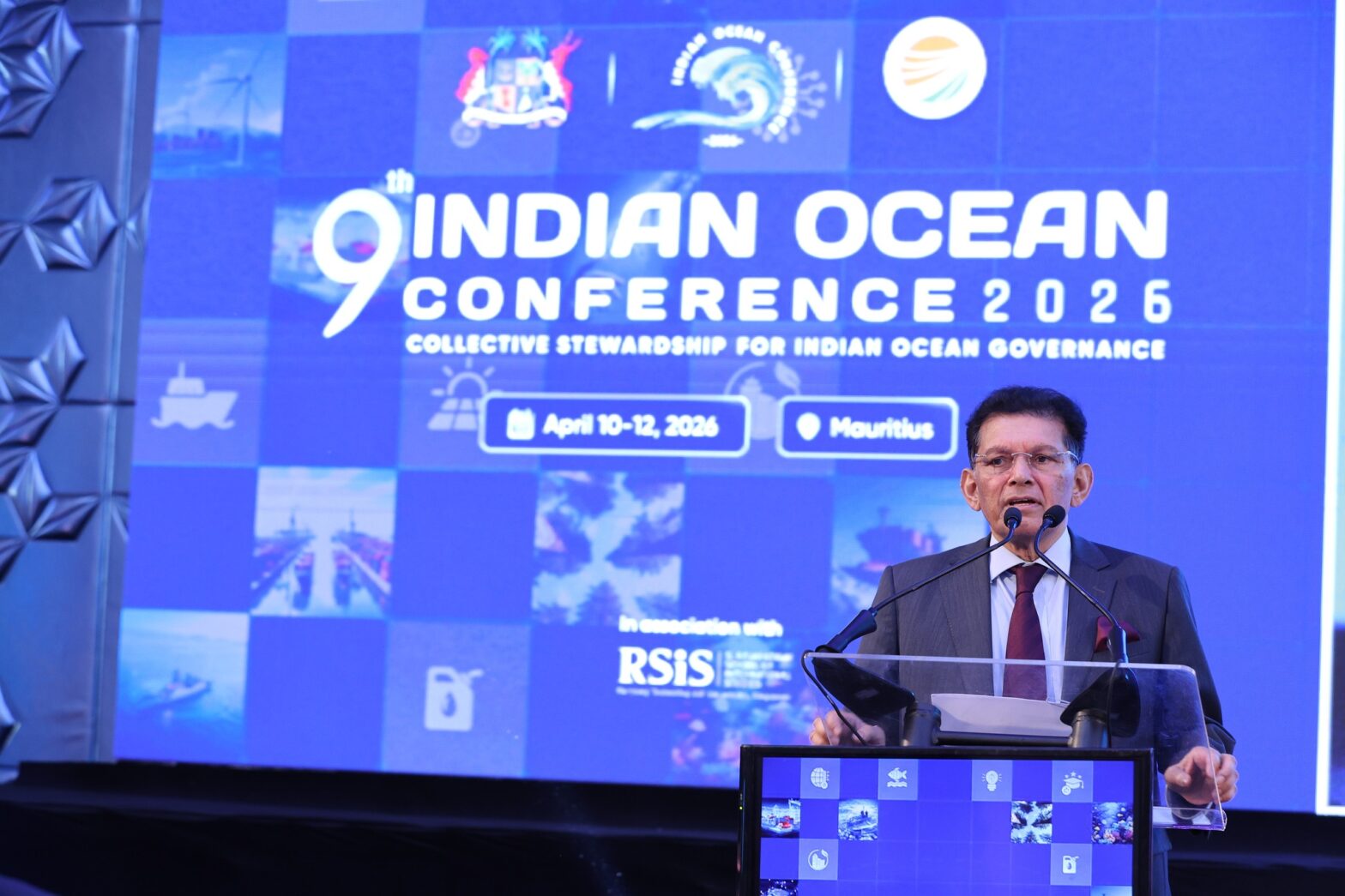
For that reason, I believe the theme of the Indian Ocean Conference is extremely apt. Unless we are able to collectively steward governance of the Indian Ocean, we will not be able to withstand, by our individual actions, the challenges we face today. There might be a ceasefire, but the energy issue is not going to be resolved in two weeks. Even if the energy situation improves in two years, we still have this larger problem of the decline of multilateralism.
The Indian Ocean region, with its over two billion people, will have a lot to lose in the coming years if we are not able to collectively address the issues we face today. Seas and oceans are not separate spaces, nor are they spaces that separate us. Over centuries, our own ocean, the Indian Ocean, has kept connecting ideas, traders, travellers, and cultures. And in these challenging times, it is essential that our countries cooperate while competing at the same time. Across all our blue waters, our common people are drawn to the aspirations they share.
Now nearly two months into office, Bangladesh Prime Minister Tariq articulates his development agenda by envisioning the resolution of issues within and beyond borders for a shared future, in which our collective actions in the Indian Ocean region feature prominently. We also face other serious challenges, including a very young population across these nations, with a median age of around 30 years. Our young people seek opportunities far afield, within and beyond the Indian Ocean region. People move across sectors in diverse ways. Now, ensuring the safe, orderly, and responsible mobility of people within our region’s burgeoning service economy is both a reality and a necessity.
Our seas are also the principal arteries of global commerce. Freedom of navigation is essential to conducting international trade safely and smoothly. The economic security of our entire region depends critically on this freedom, which we must collectively defend. If we don’t, it will not be defended. This ocean belongs to all of us; all who live by it depend on it and dream through it. In these challenging times, our blue waters must unite, sustain, and inspire us far more than before.
We need to articulate a vision in which all of us take collective action seriously. We all have a great deal to lose if we don’t do this. I trust that the deliberations over the next couple of days will help you in your task of fashioning actions that will help us overcome the current challenges and define our collective efforts to secure a common future through effective stewardship of our ocean and the adjoining areas.
The countries around the Indian Ocean are not sitting idle. For example, Bangladesh benefits from India’s support in supplying diesel via a pipeline at a time when prices are skyrocketing. Other countries are also working together to face this challenge, but I would say that the larger challenge of the loss of trust and confidence in the global system will have to be replaced by our own actions. If we stay strong on our home front, it will be much easier for us to weather storms coming from outside.
Author Brief Bio: H.E. Khalilur Rahman is the Minister of Foreign Affairs, Bangladesh