The Indian Ocean is a dynamic hub shaping global trade, security, and environmental stability. Its strategic location makes it a vital corridor for shipping, resource extraction, and geopolitical engagement. The region is rich in natural resources, including oil and gas, mineral deposits, and fisheries, which support millions of livelihoods. These opportunities are significant, but they demand careful, sustainable management. At the same time, the region faces multiple transboundary pressures: climate change, sea-level rise, maritime crime, vulnerability to disasters, marine pollution, overfishing, and geopolitical tensions. These challenges cannot be addressed by any single country alone; they require coordinated, inclusive, and sustained regional action.
In this context, the theme of collective stewardship aligns closely with the mandate of the Indian Ocean Rim Association (IORA). IORA provides a unique platform to translate shared responsibility into concrete action. With 23 member states, 12 dialogue partners, and a network of regional and international partners, IORA facilitates dialogue, strengthens cooperation, and delivers practical outcomes. Over the past 30 years, IORA member states have worked together to promote a peaceful, stable, and prosperous Indian Ocean region. The IORA Action Plan 2022-2027 sets out a roadmap for collaboration, capacity building, and measurable results, to be implemented through the work plans of our functional bodies and the active engagement of our member states across priority areas and cross-cutting issues. In this context, collective stewardship is not only a guiding principle; it is an imperative for the sustainable, secure, and prosperous management of the Indian Ocean.
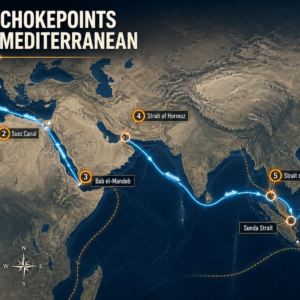
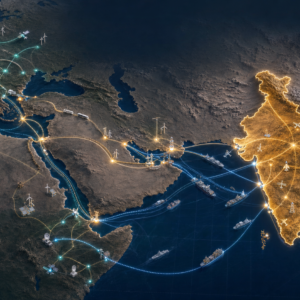
Maritime safety and security is the foundation of stability and prosperity and the cornerstone of governance in the Indian Ocean region. The Indian Ocean hosts some of the busiest shipping lanes in the world, facilitating the movement of goods between Asia, Africa, Europe, and Australia. These routes are lifelines of global commerce, carrying vital resources such as oil and minerals, as well as manufactured goods. Ensuring their safety and security is a priority, as disruptions from piracy, instability, or natural disasters have consequences both regionally and globally. IORA promotes what may be termed maritime multilateralism to strengthen cooperation among member states. IORA member states have taken a wide range of initiatives that embody collective stewardship. These include, for example, search and rescue exercises, joint patrols, tabletop simulations to enhance operational readiness, capacity-building programmes on marine domain awareness and law enforcement, and real-time maritime information-sharing workshops at the Information Fusion Centre – Indian Ocean Region to facilitate the exchange of intelligence on transnational maritime threats. These are practical manifestations of IORA member states’ resolve to provide collective leadership to ensure maritime safety and security.
Member states are also signatories to a search and rescue memorandum of understanding, which sets out guidelines for coordination and cooperation in Search and Rescue (SAR) operations in the Indian Ocean region, including workshops on maritime and aeronautical SAR operations and legal studies on implementing UNCLOS among IORA member states. Together with regional initiatives such as the Indo-Pacific Dialogues, Bay of Bengal Dialogue, and the Galle Dialogue, these efforts have strengthened cooperation, harmonised standards, and built resilience across the region. Together, these efforts demonstrate how coordinated action, shared responsibility, and regional collaboration can safeguard the Indian Ocean, ensuring it remains secure, sustainable, and prosperous for all member states.
The stewardship also requires protecting coastal communities from natural hazards. Transboundary hazards such as cyclones, tsunamis, and rising sea levels affect multiple countries simultaneously, highlighting the need for coordinated regional policies on early warning systems, data sharing, and joint preparedness. Disasters can damage fisheries, ports, mangroves, and infrastructure, affecting marine ecosystems and livelihoods. Small island developing countries are at alarmingly high risk. Through IORA, member states have conducted joint HADR exercises, capacity-building workshops, and space-based disaster monitoring, and have collaborated on resilient infrastructure frameworks, such as the Coalition for Disaster Resilient Infrastructure, and on early warning systems with IOC-UNESCO’s Indian Ocean Tsunami Warning and Mitigation System. By sharing information, technology, and best practices, and by building collective resilience, member states demonstrate how coordinated action and collective stewardship safeguard lives, livelihoods, and marine ecosystems across the Indian Ocean region.
Sustainable fisheries are a critical component of the Indian Ocean governance framework, as the region’s marine resources support millions of livelihoods, ensure food security, and contribute to regional economies. The shared nature of fisheries, migratory fish stocks, and transboundary impacts means that no single country can ensure sustainability alone. This makes collective stewardship essential; coordinated policies, information sharing, and joint monitoring are required to maintain healthy marine ecosystems and ensure equitable use of resources.
The challenges in the fisheries sector range from IUU fishing and climate change impacts to gaps in monitoring and enforcement, as well as a lack of legal frameworks and biosecurity measures. IORA has taken a number of steps to promote sustainable fisheries and combat IUU fishing through coordinated legal frameworks, capacity-building, technology, and partnerships. Examples of these efforts include the adoption of the IORA guidelines on combating IUU fishing, support for port state measures, and training and workshops on fisheries surveillance, aquaculture, biosecurity, and innovative management approaches. Collaboration with partners such as the Food and Agriculture Organisation, regional exchanges, and pilot programmes for young environmental leaders also strengthens regional cooperation and shared responsibility for sustainable fisheries across the Indian Ocean region.
The Indian Ocean is a biodiversity hotspot, home to coral reefs, mangroves, and seagrass beds that support marine life, protect coastlines, and aid carbon sequestration. These ecosystems underpin fisheries, livelihoods, and coastal resilience, and must be safeguarded for present and future generations. The seabed holds potential mineral wealth, including manganese nodules and cobalt-rich crusts. Sustainable use of these resources is central to the blue economy and ocean governance. Only sustainable use, careful management, and environmental protection can ensure that economic growth does not compromise ecological health. But the blue economy is not simply an environmental agenda; it is a development imperative that underpins livelihoods, food security, and long-term economic resilience. Promoting a cooperative, rules-based maritime environment consistent with international frameworks such as UNCLOS remains a shared interest among all IORA member states. IORA’s cooperation with the International Seabed Authority further reinforces a rules-based approach to ocean governance, promoting the responsible and equitable management of seabed resources through collective stewardship.
Climate change is a defining challenge, and the Indian Ocean is increasingly vulnerable to its impacts. Rising sea temperatures are causing coral bleaching, disrupting marine ecosystems, and contributing to sea-level rise, which poses a serious risk to low-lying island nations and coastal communities, including displacement, damage to infrastructure, and increased vulnerability to storms and flooding. Ocean acidification is harming marine life, particularly shellfish and corals, while pollution from industrial waste, agricultural runoff, and plastic debris further threatens the ocean’s health. IORA has responded to these interconnected threats through the climate change strategic agenda, integrating resilience and adaptation across all its priority areas.
Collaboration with the United Nations Office for Disaster Risk Reduction on comprehensive risk management, including the integration of climate change adaptation into disaster risk management, is underway. Collective stewardship and regional cooperation are essential to safeguard marine ecosystems, coastal communities, and the long-term economic and social well-being of Indian Ocean nations. Without urgent action, ocean warming, acidification, and rising sea levels will have potentially devastating consequences for nature and our peoples. Renewable energy is another critical component of a resilient Indian Ocean region. Through cooperation with the International Renewable Energy Agency and the International Solar Alliance, IORA supports member states in advancing clean energy, strengthening capacity, and enhancing energy security, while contributing to climate mitigation efforts.
Strengthening human and institutional capacity is essential to effective ocean governance. Stewardship must translate into practical cooperation, with knowledge, data, and experience shared inclusively. Partnerships with regional and international organisations are critical to scaling impact. IORA has responded by fostering strategic partnerships with regional and international organisations to enhance capacity building, technical cooperation, and knowledge exchange. Through joint programmes, training initiatives, and collaborative platforms, IORA enables member states to leverage shared expertise and resources, ensuring more effective and coordinated responses to regional challenges.
The governance of the Indian Ocean cannot be achieved by any single country. It requires a shared commitment, cooperation, and collective responsibility. International cooperation is crucial to addressing the complex challenges facing the Indian Ocean. The Indian Ocean can demonstrate that economic growth and ocean sustainability can go hand in hand if we act together and decisively. IORA remains committed to advancing a comprehensive and inclusive approach to ocean governance and to collective stewardship for peace, prosperity, and sustainability.
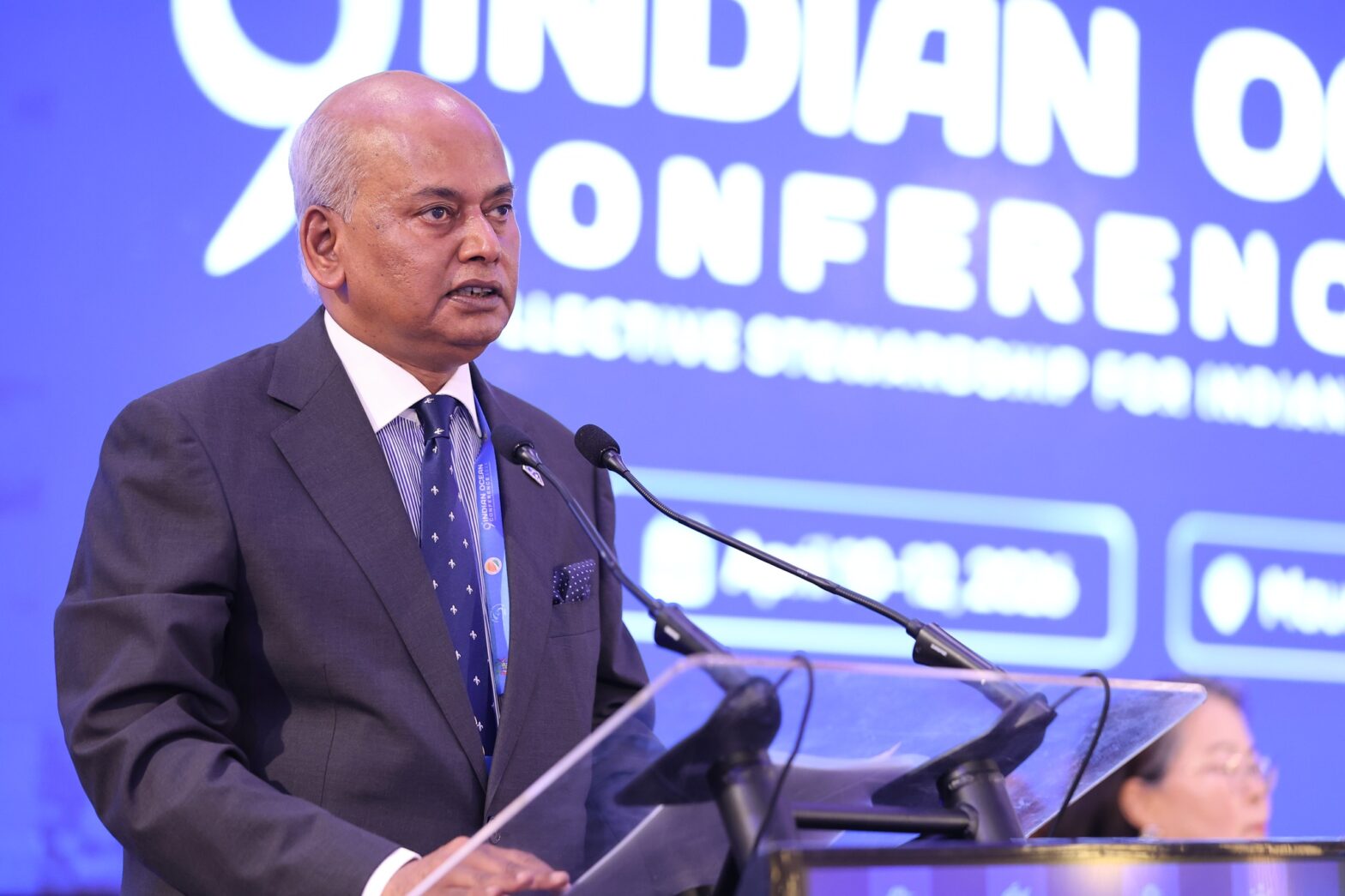
Author Brief Bio: Mr. Sanjiv Ranjan is the Secretary-General of the Indian Ocean Rim Association (IORA)