
The Indian Ocean is the lifeblood of our region. For landlocked nations and coastal states alike, it is the fundamental driver of trade, food security, and energy stability. In Tanzania, the ocean’s significance is absolute: with a GDP per capita of $1,400, 60% of our population relies on maritime activities—fishing, trade, logistics, and mariculture—for their livelihoods. Furthermore, 70% of our national economy, both domestic and external, is inextricably linked to these waters.
Our region faces significant, interconnected threats that require coordinated regional responses. We are witnessing mounting pressure on the United Nations Convention on the Law of the Sea (UNCLOS). Competition for trade routes and the threat of disruptions to strategic passages, such as the Strait of Hormuz and Bab-el-Mandeb, have direct consequences for our economies.
As developing nations, we face difficult choices. We must balance limited budgets between essential social services—such as health and education—and the high costs of maritime security, including patrolling our Exclusive Economic Zones (EEZs) to combat illegal, unreported, and unregulated (IUU) fishing. Climate change is driving rising salinity and disrupting the migration and reproduction of marine species. Pollution and plastic waste remain critical threats. Addressing these issues requires more than local action; it requires global and regional stewardship. We are a “food basket,” exporting grains and foodstuffs, and our role in regional food security is threatened by the same climatic and security factors that endanger global trade.
I applaud the existing collaborative efforts through IORA, the Indo-Pacific initiatives, and the Western Indian Ocean Marine Science Association (WIOMSA). However, we must do more to ensure inclusivity. Currently, participation in the Indian Ocean Conference is heavily dominated by Asian countries bordering the Indian Ocean. Yet over half of Africa is economically, strategically, and logistically bound to the Indian Ocean. We need our African neighbours—from Egypt to South Africa—to have a more active voice.
Moving forward, Tanzania is committed to a rules-based maritime order. We are actively implementing policies to combat plastic pollution, promote the growth of the Blue Economy, and advocate deeper cooperation among states with differing GDPs and capacities. We must move beyond treating these conferences as mere dialogue. We need actionable, well-resourced cooperation. Tanzania stands ready to work closely with Mauritius, Seychelles, and all our partners to bring more African nations into this fold and to champion a collaborative future for the Indian Ocean. We hope to have the honour of hosting a future edition of this conference.
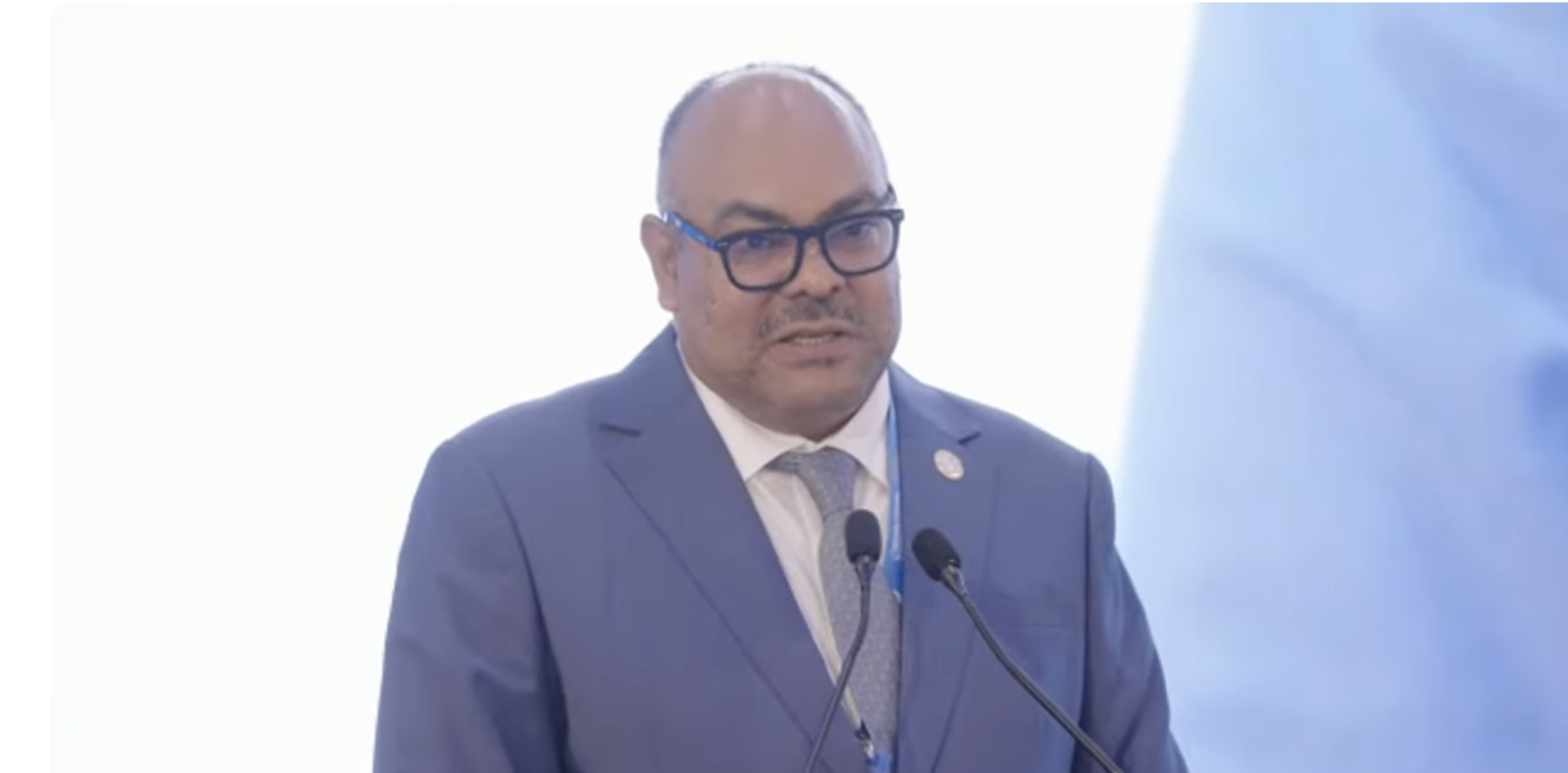
Author Brief Bio: H.E. Mr. Mahmoud Thabit Kombo is the Minister of Foreign Affairs, Tanzania