Enacting India’s Competitiveness: Is Climate Transition an Enabler or an Impediment

The true test of a nation is not how it thrives in calm conditions, but how steadfast it remains when storms hit. Alongside the rest of the world, India has endured a pandemic, navigated global economic shocks, and continues to face converging climate threats, including heatwaves, floods, cyclones, and droughts that occur simultaneously or in succession. This has now become the rhythm of a new era. In such times, competitiveness can no longer be measured solely by GDP or export figures. A country that grows rapidly but collapses after every climate crisis can no longer be deemed “competitive” in any meaningful sense. The new metric for inclusive growth and prosperity is resilience: the capacity to address climate risks, safeguard livelihoods, and maintain growth even amid cascading crises.

Measuring growth through competitiveness gained global attention in the late 20th century, as nations started to evaluate themselves not just by raw growth but by their capacity to innovate, attract investment, and boost exports. Michael Porter’s The Competitive Advantage of Nations (1990) formalised this idea, suggesting that national prosperity depends on the interaction of factor endowments, demand conditions, industrial ecosystems, and firm rivalry[1].

Competitiveness has become the guiding principle of economic policy in an era driven by globalisation, trade liberalisation, and rapid technological innovation. Today, the forces of trade and technology have only become more transformative in their effects. Artificial intelligence, digital platforms, and evolving global supply chains are reshaping the landscape of competitiveness as profoundly as container shipping or the internet once did. Countries are now judged not only by their production efficiency but also by how quickly they can adapt to disruptive changes.

In India, the 1991 reforms marked a decisive shift away from inward-looking policies and toward global integration. At that time, competitiveness became linked with liberalisation, efficiency, and market dynamism. The consistent rise in GDP growth rates, the surge in IT and services exports, and the significant expansion of the middle class were seen as signs of competitive growth. However, as time went on, the world changed, and history also shows us that the standard of progress can never stay the same.

The evidence is now more apparent than ever. According to the World Bank’s People in a Changing Climate (2023), labour productivity losses from heat stress already average 5.7 per cent in lower-middle-income countries: a category that includes India and is projected to rise further as global temperatures increase[2].

By 2030, heat stress alone could cost India the equivalent of 34 million full-time jobs or nearly USD 450 billion in lost economic output, according to estimates by the International Labour Organisation[3]. This is not an abstract risk, but a lived reality for construction workers, agricultural labourers, and millions in the informal sector, whose productivity underpins India’s competitiveness.

Agriculture, still the livelihood foundation for over 40 per cent of the Indian workforce, faces severe vulnerability. The CCDR notes that climate variability could reduce farm incomes in unirrigated areas by up to 25 per cent. Recurring floods in Assam, the droughts of Bundelkhand, and the 2019 Chennai water crisis are not isolated incidents, but they demonstrate how climate extremes are transforming India’s economic landscape. For example, Cyclone Amphan in 2020 caused damages of USD 13 billion, overwhelming state budgets and revealing the fragility of infrastructure systems. In 2023, flash floods in Himachal Pradesh led to losses exceeding USD 1.5 billion, while record-breaking heatwaves disrupted sowing cycles across India’s food belt. The fiscal costs are equally alarming. Between 2010 and 2020, India lost USD 87 billion annually to climate-related disasters, equivalent to nearly 3 per cent of its GDP (World Bank, 2023). These shocks repeatedly force governments to divert resources from development spending to relief and recovery, locking public finance into a cycle of reaction rather than preparation.

Competitiveness is therefore not just about the speed of growth but also about the durability and inclusivity of economic progress. This redefinition emphasises the importance of climate transition to India’s development path. It shifts the discussion from viewing climate policy as a cost to recognising that climate inaction is the real obstacle to competitiveness. A nation that invests in climate-smart agriculture, resilient infrastructure, and adaptable social protection is not engaging in “green spending”; it is safeguarding the very foundations of its economic strength. The good news is that advances in technology, from digital platforms to artificial intelligence, have created entirely new and more effective pathways for a climate transition—whether in clean energy deployment, precision agriculture, or adaptive infrastructure. The bad news is that the speed and scale of action still fall far short of the urgency of the crisis.

Before examining whether climate transition is an impediment or an enabler of competitiveness, it is crucial first to understand what such a transition in India entails: the risks it must address, the opportunities it creates, and the structural shifts it necessitates. To explore these questions, the following sections first analyse the current state of India’s competitiveness. It then outlines the contours of India’s climate transition, including the commitments, policy instruments, and structural changes involved. Ultimately, it examines whether and under what circumstances the climate transition can serve as an enabler of competitiveness rather than an obstacle.

The Competitiveness Landscape in India Today

India’s growing economic stature is now attracting global attention. With estimates showing it as the world’s fifth-largest economy in nominal GDP and third in purchasing power parity, India’s rise appears robust, with an annual GDP growth rate of 6.5% in 2024.[4] While these headline figures indicate scale, they often mask more fundamental questions: What does this growth imply for productivity? How inclusive and widespread is this economic expansion? India’s global rankings across economic indices in 2024 depict a picture of rising stature but uneven foundations. The country is home to one of the fastest-growing populations of millionaires and billionaires, and four of its cities are now among the fastest-developing globally. However, this outward economic momentum contrasts with weaker performance on competitiveness, innovation, and talent development. These gaps suggest that while India advances in headline metrics, the core enablers of productivity remain underdeveloped. This is especially apparent when considering GDP per person employed, a key measure of how efficiently an economy converts labour into output. In this regard, India continues to lag considerably behind both global and middle-income counterparts.

As of 2024, India’s GDP per employed person was about $24,468, a slight rise from $23,700 in 2023. This figure remains well below the average for middle-income countries, which stood at $34,243, and is significantly less than China, which has exceeded $45,494—almost double India’s level. Even within the lower-middle income group, India is only marginally above the group average of $22,178, highlighting the structural challenges in turning labour input into economic output[5].

This productivity gap is not just a sign of slower growth but indicates deeper economic inefficiencies. In 2024, India’s GDP per capita (PPP, constant 2021 international $), which reflects living standards and economic productivity, was $9,817, showing steady growth since 2015 but still trailing behind other emerging economies: China at $23,846 (2.4 times higher), the global average at $21,268, and the middle-income group at $14,902. India is only slightly above the lower-middle-income average of $8,789, highlighting limited progress in catching up. While Brazil ($19,648) and Indonesia ($14,470) maintain stronger positions, South Africa has stagnated but remains ahead of India[6].

The broader trend indicates India growing faster than the global average, but from a very low base, narrowing gaps significantly and highlighting ongoing productivity and structural challenges. This issue is further emphasised by its low employment-to-population ratio. In 2024, India’s employment-to-population ratio was just 53.2 per cent, notably lower than China’s 62.4 per cent and the average for middle-income countries of nearly 58 per cent[7].

This divergence between size and prosperity highlights the deeper challenge we face: growth alone does not equal competitiveness, and GDP does not automatically lead to shared prosperity. Competitiveness is crucial today because the rules of the global economy are being rewritten. We live in an era of structural change: supply chains are being shortened, reshored, and reconfigured for geopolitical resilience; technology is advancing, with AI being called the new electricity; climate change and multiple crises, from pandemics to conflicts, are reshaping risks. In this turbulence, traditional levers of cost and scale, which emerging economies like India have long relied upon, are no longer enough. What global markets now value are productive ecosystems, policy coherence, and predictability. Being cheap is not sufficient; what matters is how well systems function together. That is what distinguishes countries that merely grow from those that prosper.

India, in many ways, is uniquely positioned in this flux. It is the only economy with the potential to offer an alternative to China in manufacturing, the scale to become a vast consumer democracy, and the digital infrastructure to serve as a laboratory for the future. However, potential is not performance. As Michael Porter’s framework reminds us, real competitive advantage is engineered: it is built on factor conditions like skills and infrastructure, on sophisticated demand that pressures firms to upgrade, on clusters that integrate suppliers and innovators, and on institutions that enable healthy rivalry.

Even as India grapples with the fundamentals of competitiveness — skills, clusters, demand, institutions, etc. — a bigger question looms: how will all this unfold in the context of the climate transition? Competitiveness today cannot be separated from decarbonisation. The global economy is no longer indifferent to carbon; trade regimes, investment flows, and consumer preferences are increasingly influenced by climate considerations. Europe’s Carbon Border Adjustment Mechanism, the surge of green subsidies in the United States, and the race for critical minerals all demonstrate how climate imperatives are becoming part of the very structure of competition.
For India, therefore, the climate transition is not an external constraint layered onto its growth story. It is part of the playing field on which competitiveness itself will be decided. The challenge of building clusters is also the challenge of building clean-energy ecosystems that can deliver reliable power without locking in existing infrastructure. The push for sophisticated domestic demand is also about whether rising households can afford and demand efficient appliances, electric vehicles, and renewable rooftop systems. The search for advanced factors is equally the search for climate-ready/green skills: engineers for green hydrogen, technicians for battery storage, regulators for carbon markets. Even India’s diplomatic posture, so crucial for securing capital and technology, is now shaped by climate alliances and green finance norms.

Viewed this way, the climate transition is not a separate goal from competitiveness but a fundamental current running through it. It will determine whether India’s manufacturing resurgence can integrate into future value chains or be left behind in carbon-intensive industries; whether its cities can attract investment or become overwhelmed by heat and pollution; whether its fiscal health can be maintained through green finance or strained by reliance on fossil fuels. In essence, climate is not just another item on the reform checklist; it is the foundation on which India’s competitiveness will be built.

This is not only because trade and technology are becoming climate-dependent, but also because climate change itself has deep economic and productivity consequences. It is no longer just an environmental issue; it is a fundamental economic risk that affects growth, welfare, and competitiveness. Research worldwide highlights two main ways climate change harms economic performance: the slow but constant effects of rising temperatures and changing rainfall, and the recurring shocks of extreme events such as floods, cyclones, and heatwaves. Both reduce productivity by lowering agricultural yields, decreasing labour output, damaging infrastructure, and straining health systems. For India, these risks are amplified by structural vulnerabilities. With 43% of the workforce still employed in agriculture and much of industry dependent on outdoor labour, productivity losses due to heat and rainfall variability are already considerable.

The ILO estimates that by 2030, South Asia could lose over 5% of working hours due to heat stress alone, which could result in millions of jobs disappearing in India’s most labour-intensive sectors[8]. Extreme events are also intensifying cyclones along the eastern coast, causing recurrent flooding in the Gangetic plains and water shortages in central India. These issues disrupt output, damage infrastructure, and lead to significant costs for relief and reconstruction. Different states and districts face varying levels of exposure. Bihar and Odisha, for example, frequently experience floods and cyclone impacts, while Rajasthan and Maharashtra deal with heatwaves and drought. This uneven vulnerability results in regional differences in productivity setbacks, highlighting India’s already stark disparities in growth.

The message is clear: without climate resilience, competitiveness cannot be sustained. Productivity losses caused by rising temperatures and repeated shocks threaten to eliminate the very gains India aims for in manufacturing growth, labour participation, and infrastructure development. Essentially, the route to competitiveness must also include climate adaptation and mitigation efforts, such as safeguarding workers from heat stress, constructing resilient infrastructure, investing in early warning systems, and incorporating climate risk into fiscal and industrial strategies.

Therefore, if unmanaged climate risks undermine productivity and increase vulnerability, a carefully planned climate transition can significantly boost India’s competitiveness. By speeding up renewable energy and storage, India can reduce input costs and improve energy security; through investing in green industries like batteries, hydrogen, and circular economy models, it can access new export markets; and by building resilience in agriculture, cities, and infrastructure, it can protect productivity and mitigate fiscal shocks. In this way, the climate transition is not just about achieving emission targets but also about creating the advanced factors, resilient clusters, and policy consistency that Porter recognised as the hallmarks of competitive economies.

At the same time, while the transition provides an enabling platform, its true potential will only be realised if it is effectively directed and integrated with India’s broader development goals of jobs, equity, fiscal stability, and inclusive growth. The next section explores this issue: how the climate transition, if strategically implemented, can act not as an obstacle but as a catalyst for India’s long-term competitiveness.

Harnessing the Climate Transition for Competitiveness

Competitiveness is not about being the cheapest, but about creating conditions where firms and regions can continually improve through skills, innovation, and efficient ecosystems. Viewed this way, the climate transition is not an external imposition but a driver for such improvement. Moving to clean energy, for example, is not just about reducing emissions; it is about lowering the volatility of imported fuel costs, enhancing reliability for industries, and encouraging domestic manufacturing in renewables and storage. Each of these outcomes helps build advanced factor conditions such as reliable infrastructure, energy security, and a skilled labour force that support competitiveness much more profoundly than short-term cost advantages.

Global markets now require low-carbon, circular products, with mechanisms such as the EU’s Carbon Border Adjustment making climate standards essential for market entry. For Indian exporters, this is a matter of survival but also an opportunity: the pressure to reduce carbon emissions can encourage improvements in processes, supply chains, and product quality. Domestic demand is shifting similarly, from solar to clean mobility, aligning internal and external incentives. Climate action, therefore, is not separate from competitiveness; rather, it forms its foundation by fostering resilience, productivity, and innovation.

One of the clearest pathways is through the circular economy. India is at a point where material demand will triple by 2040, much of it in construction, mobility, and consumer goods. A linear “take, make, waste” model would entrench dependence on imports, increase resource volatility, and lead to waste management crises. Circular models, where materials are reused, products are designed for durability, and waste is considered a feedstock, offer a competitive alternative. They lower costs by reducing material and energy use and create new markets for repair, refurbishment, and recycling. This approach is not only environmental but also industrial. It enhances domestic secondary-materials supply, decreases reliance on geopolitical shocks regarding critical minerals, and fosters employment-heavy clusters in recycling, reverse logistics, and remanufacturing. For companies, circular practices open access to export markets where recycled content and traceability are increasingly mandatory. For consumers, they mean products that last longer and have lower lifecycle costs. In essence, circularity turns ecological limitations into an opportunity for competitiveness.

Climate shocks already strain India’s public finances through disaster recovery, energy subsidies, and costly fossil fuel imports, crowding out investment in skills and infrastructure. Transitioning to renewables can reverse this trend: solar and wind are now the cheapest power sources, and scaling them while reducing fossil fuel subsidies would stabilise budgets, lower input costs, and free resources for research, skills, and logistics. Green bonds and blended finance can further mobilise private capital without overburdening the state. For heavy industries, decarbonisation is crucial to stay within global value chains. Climate-resilient infrastructure and early-warning systems serve as productivity insurance, protecting workers, reducing downtime, and maintaining the foundations of competitiveness.

The employment dimension completes the main argument. For a country where millions of young people enter the labour market each year, the climate transition can generate jobs if directed properly. Clean energy, repair and refurbishment sectors, recycling, and sustainable agriculture are all more labour-intensive than the extractive, linear models they replace. Incorporating India’s extensive informal workforce into these emerging sectors can provide decent, productive work while improving skills across the board. Recognition of prior learning, micro-certification, and easier access to credit can help informal workers join formal circular and clean-tech economies. This not only increases the pool of skilled workers but also promotes competitiveness through inclusion, ensuring growth is wide-reaching and socially sustainable.

The international dimension amplifies these effects. In a world where trade, investment, and technology flows are increasingly influenced by climate issues, India’s diplomatic stance can shape the external environment in ways that enhance domestic competitiveness. By championing initiatives like the International Solar Alliance, the Coalition for Disaster Resilient Infrastructure, and the LiFE agenda, India projects its developmental vision onto the global stage. This is not merely soft power; it is a form of economic strategy. By influencing norms around finance, technology, and lifestyle, India safeguards policy space domestically while creating opportunities internationally. Climate diplomacy thus becomes a tool for competitiveness: it ensures access to technology and markets, shields against restrictive standards, and establishes India as a key player in shaping the low-carbon order.

None of this will happen automatically. The risk is that the climate transition stays fragmented with pilot projects that never expand, industrial policies that generate rents instead of fostering rivalry, and disparities at the state level that increase rather than decrease. Competitiveness demands coherence. It requires aligning industrial policy with trade strategy, fiscal tools with innovation incentives, and climate goals with development objectives. It also requires institutionalising predictability, so investors can trust that current standards and tariffs will not be arbitrarily changed tomorrow. Most importantly, it involves treating climate not as an addition to the growth narrative but as the core logic shaping competitiveness itself.

When viewed this way, the climate transition ceases to be a trade-off. It becomes the means by which India can reconcile growth, resilience, and global integration. Circular models transform waste into resources and costs into competitiveness. Renewable energy reduces input costs and stabilises fiscal space. Climate resilience shields productivity against shocks. Green jobs and inclusive skills secure prosperity within social stability. Diplomacy turns India’s domestic pathway into global influence. Each of these elements enhances the fundamentals of competitiveness, such as better factors, increased demand, denser clusters, and sharper rivalry. Together, they can convert India’s favourable position into a sustained competitive advantage.

The climate transition, then, is not just compatible with competitiveness; it is essential for it. However, its potential will only be realised if it is guided with purpose and coherence, aligned with broader development goals, and integrated into industrial, fiscal, and social policies. Done effectively, it can transform India into not just a large economy but a competitive one that is productive, resilient, and prosperous on its own terms.

Author Brief Bio: Professor Amit Kapoor is the Chair, Institute for Competitiveness & Meenakshi Ajith is the Development Policy Lead, Institute for Competitiveness.

References:

Adil, L., Eckstein, D., Künzel, V., & Schäfer, L. (2025, February 12). Climate Risk Index 2025: Who suffers most from extreme weather events? Germanwatch e.V. https://www.germanwatch.org/sites/default/files/2025-02/Climate%20Risk%20Index%202025.pdf

Arruda, L. R., Lima, D. A., & de Barros, R. T. (2021). Circular economy: A brief literature review (2015–2020). Cleaner and Responsible Consumption, 3, 100016. https://doi.org/10.1016/j.clrc.2021.100016

Asian Development Bank. (2022, November 3). Ensuring just transition is key to India’s energy transition goals. Asian Development Bank. https://www.adb.org/news/features/ensuring-just-transition-key-india-energy-transition-goals

Bruegel. (n.d.). The circular single market and sustainable competitiveness. https://www.bruegel.org/first-glance/circular-single-market-sustainable-competitiveness

Institute for Competitiveness. (2025). Skills for the future: Transforming India’s workforce landscape. Institute for Competitiveness. https://www.competitiveness.in/wp-content/uploads/2025/06/Report_Skill_Roadmap_Final_Compressed.pdf

Institute for Competitiveness; Economic Advisory Council to the Prime Minister (EAC-PM); Porter, M. E.; & Ketels, C. H. M. (2022, August). Competitiveness Roadmap for India@100 [Report]. Institute for Competitiveness. https://www.competitiveness.in/wp-content/uploads/2022/08/Report_Competitiveness_Roadmap-25_August_2022_Web_Version.pdf

Institute for Sustainable Development and International Relations (IDDRI). (2023). Aligning decarbonization, circularity and competitiveness: Europe’s role. https://www.iddri.org/en/publications-and-events/blog-post/aligning-decarbonization-circularity-and-competitiveness-europes

Kant, A., & Kapoor, A. (2023). The elephant moves: India’s new place in the world. Penguin Business.

NITI Aayog. (2025). India voluntary national review 2025: Progress towards the Sustainable Development Goals. Government of India. https://niti.gov.in/sites/default/files/2025-08/india-voluntary-national-review.pdf

Porter, M. E. (2008). On competition (Updated and expanded ed.). Harvard Business School Publishing.

Tamellini, L. (2025, February 25). A clean industrial revolution in Europe. Carbon Market Watch. https://carbonmarketwatch.org/publications/a-clean-industrial-revolution-in-europe/

Footnotes:

[1] Porter, M. E. (1990). The competitive advantage of nations. Harvard Business Review, 68(2), 73–93.

[2] World Bank Group. (2024). People in a changing climate: From vulnerability to action – Insights from World Bank Group country climate and development reports covering 72 economies. World Bank. https://hdl.handle.net/10986/42395

[3] International Labour Organization. (2020). Working on a warmer planet: The impact of heat stress on labour productivity and decent work. ILO. https://www.ilo.org/wcmsp5/groups/public/—/—/wcms_711919.pdf

[4] World Bank- https://data.worldbank.org/indicator/NY.GDP.MKTP.KD.ZG?locations=IN

[5] World Development Indicators- World Bank:  https://data.worldbank.org/indicator/SL.GDP.PCAP.EM.KD

[6] World Bank- https://databank.worldbank.org/reports.aspx?source=2&series=NY.GDP.PCAP.PP.KD&country=

[7] World Development Indicators- World Bank: https://data.worldbank.org/indicator/SL.EMP.TOTL.SP.ZS

[8] International Labour Organization. (2020). Working on a warmer planet: The impact of heat stress on labour productivity and decent work. ILO. https://www.ilo.org/wcmsp5/groups/public/—/—/wcms_711919.pdf


Climate, Development, and Security: A Framework for Climate-Resilient Development

There was a time when development goals were pursued without considering environmental consequences. Examples are abundant. The construction of the Panama Canal between 1880 and 1914 brought significant economic, strategic, and technological benefits, revolutionising global trade by enabling shorter shipping routes and lower transportation costs. However, it also caused immense human suffering and long-term ecological damage to the isthmus. Similarly, rapid industrialisation and unchecked factory expansion during the Industrial Revolution in late 18th to 19th-century Europe and the U.S. led to urban air and water pollution, widespread deforestation, and health crises in many cities. Colonial plantation and mining projects across Africa, Asia, and Latin America, aimed at exploiting land for rubber, cotton, and minerals, resulted in extensive deforestation, soil exhaustion, social displacement, and cultural loss.

Recently, we have seen many man-made disasters resulting from a lack of foresight in addressing environmental issues. The deadly radiation leaks at Chernobyl Nuclear Power Plant in the former USSR in 1986 and the Bhopal gas tragedy in 1984, which killed thousands and continues to cause environmental and health problems, serve as clear examples. The Three Gorges Dam in China displaced over a million people and significantly altered river ecosystems. Similarly, the Aswan High Dam in Egypt in the 1960s reduced Nile fertility, led to declining fisheries, and prompted the relocation of Nubian communities.

Clearly, environmental issues must be integrated into economic and security considerations. The occurrence of ecological disasters, however, does not diminish the significance of security or development concerns. Instead, all three must be addressed together. The discussion can never be about choosing between development, security, or environmental preservation. It is not a zero-sum game in which one is prioritised at the expense of the others. All three are vital concerns.

In India, a controversy recently surfaced when Ms Sonia Gandhi, the matriarch of the country’s leading opposition party, published a sharp article criticising the Great Nicobar Island Development Project (GNIDP), also known as the “mega-project on Great Nicobar”.[1] Calling the Rs 72,000 crore initiative a “planned misadventure,” she writes that the project threatens the existence of the island’s indigenous tribal communities, endangers one of the world’s most unique flora and fauna ecosystems, is highly susceptible to natural disasters, and has been hastily approved without adequate legal and social safeguards. While subtly recognising the project’s strategic and economic value, she asserts that the disaster risk far exceeds the potential benefits.

This form of extreme positioning is equally disruptive. We have seen instances where environmental issues have been weaponised to stall development projects. The Narmada Bachao Andolan (NBA) is a prime example. The movement emerged in opposition to the construction of dams on the Narmada River, particularly the Sardar Sarovar Dam in Gujarat. The dam was finally inaugurated in 2017, after decades of dispute that began in 1985. While genuine social and environmental concerns may have initially driven the NBA, it soon deteriorated into ideological opposition to large-scale projects. It was influenced by foreign actors, especially Western NGOs and advocacy groups, which funded the protests to advance their own interests. Emotional imagery from the NBA highlighted the negatives, showing submerged villages and the poor on hunger strikes. They received celebrity endorsements, but the movement was city-led, with the emotional narrative overpowering factual assessment.

A fact-check of the Sardar Sarovar Project, comparing the NBA’s claims to the actual outcomes, is enlightening. The NBA claimed that over 3 lakh families would be permanently displaced; however, fewer than 2 lakh people were affected, and nearly all received land-for-land compensation. Many displaced communities gained access to schools, electricity, and healthcare for the first time. The NBA also exaggerated the environmental impact, claiming massive deforestation and ecological collapse, but no such large-scale loss of biodiversity was recorded after stabilisation. On the benefits side, the project resulted in over 18 lakh hectares of land irrigated, piped water reaching millions of homes, and a surge in power generation capacity. An independent cost-benefit analysis by IIM Ahmedabad in 2018 found a benefit-to-cost ratio of over 2.5:1 over 30 years, indicating a significant net public gain.[2] Surveys by the Centre for Social Studies (CSS), Surat (2016) found improvements in income, education, and access to services for most resettled households compared to pre-submergence levels. All this indicates broad positive social outcomes, though, of course, some localised grievances remain.

This is not to imply that environmental concerns are unimportant. They are vitally important, and including them in the development agenda is part of the process. Ignoring environmental issues harms society, but so does a lack of development and neglect of security issues. A comprehensive approach must include all three. That is why Ms Sonia Gandhi’s article is problematic. Its focus is singular, dealing only with the threat to the environment. The mitigation strategies that form part of the project have not been mentioned. The economic and strategic payoffs that the project brings to the nation have also not been highlighted.
When environmental concerns outweigh security and development priorities, we risk undermining national interests, thereby favouring hostile external powers. A notable example is Vedanta’s Sterlite copper smelter in Thoothukudi, Tamil Nadu, which in 2018 was forced to shut down by activists organising protests over alleged severe environmental pollution. Consequently, India, which had previously been a net exporter of refined copper, became a net importer. In 2023, the Tamil Nadu governor, Mr RN Ravi, claimed that the anti-Sterlite protests in 2018 had been funded by foreign interests and aimed at hindering progress.[3] Regardless of whether the Governor’s claim is valid, the fact remains that the shutdown was not in the country’s best interests. Environmental concerns should have been adequately addressed; the shutdown was unwarranted.

Earlier, in Tamil Nadu, organised protests by NGO’s against the Kudankulam Nuclear Power Plant (KKNPP) in Tirunelveli district took place between 2011 and 2013. The protesters heightened fears about the potential for a nuclear disaster and radioactive contamination of the sea, despite the Indian government and Atomic Energy Commission asserting that the plant was safe, modern, and vital for India’s energy security. In an interview given to Science Magazine in 2012, the then Prime Minister, Dr Manmohan Singh, stated that, “The atomic energy programme has got into difficulties because these NGOs, mostly based in the United States and Scandinavian countries, don’t appreciate the need for our country to increase the energy supply.”[4] He suggested that some NGO’s received foreign funds to fuel opposition to the plant. This charge would not have been made lightly. It had much to do with geopolitical and commercial rivalries between Russia and Western countries. The KKNPP was built under an India–Russia intergovernmental agreement in 1988 and 1998. Moscow also offered to build up to six reactors at Kudankulam. After the U.S.–India Civil Nuclear Agreement of 2008, Western companies seeking major reactor contracts in India were believed to be behind these protests to undermine Russia’s first-mover advantage. While all this is speculative, there is enough evidence to suggest that environmental issues can be weaponised to impede a country’s growth.

Environmental concerns were also used to slow down infrastructure development in Eastern Ladakh and in Arunachal Pradesh. This worked to China’s advantage, which had developed its communication infrastructure right up to the LAC. Thankfully, over the past decade, a lot of effort has gone into addressing the shortcomings of earlier years, as a result of which India is today better prepared to take on any hostile military action by China.

Let us now examine what the GNIDP project involves and why it is vital for India. The Andaman & Nicobar Islands have immense strategic value because of their location near the Six Degree Channel and the Malacca Strait, which is perhaps the world’s busiest shipping lane connecting the Indian and Pacific Oceans. While Indian policymakers recognised the strategic importance of the A&N Islands, it was only in the early 1980s that the Indian Navy began modest infrastructure development at Port Blair. Later, in 2001, India established its first tri-service command—the Andaman & Nicobar Command (ANC) —thus signalling its strategic intent. But further development remained limited and piecemeal, primarily due to environmental concerns. There was also an element of strategic caution. India, in line with its policy of “strategic restraint”, kept a low profile, using the Islands for surveillance and not for forward deployment. In addition, limited funding, lack of political backing and a single unified authority over the A&N Islands slowed decision-making. Consequently, a larger strategic vision encompassing an economic and defensive charter for the Island chain, in line with its strategic potential, did not materialise.

With the change in government in 2014, India’s maritime and strategic thinking also shifted. China’s growing presence in the Indian Ocean is a source of concern, and the Andaman and Nicobar Islands are key to countering Chinese designs. This also aligns with India’s Act East Policy, its strategic cooperation with the Quad and ASEAN, and the economic rationale for making a transhipment terminal to rival Singapore and Colombo. The Great Nicobar Mega Infrastructure Project, conceived by NITI Aayog and implemented through the Andaman and Nicobar Islands Integrated Development Corporation (ANIIDCO), marks the first comprehensive attempt to combine national security objectives with regional economic development in the Bay of Bengal by making the islands into a strategic economic hub.

The development spans approximately 166 km² over the next 30 years. The main elements of the project include constructing an International Container Transhipment Terminal (ICTT) at Galathea Bay on the eastern side of Great Nicobar, with a capacity of 16 million TEU once completed. The initial phase will handle 4 million TEU. Its location near the Six Degree Channel and the Malacca Strait, along key shipping routes, provides India with a strategic maritime transhipment hub. There will also be a dual-use Greenfield International Airport capable of handling both civil and military traffic, with a capacity of 4,000 passengers per hour during peak times by 2050. Additionally, a power plant and supporting infrastructure will be developed. Two new greenfield cities — one at Campbell Bay and another at Galathea Bay — are included in the project, which will also feature a cruise ship terminal, luxury tourism resorts, and an industrial hub.

The concerns raised by Ms Sonia Gandhi in her article are well known. The Galathea Bay development area covers 18 per cent of the entire region of Great Nicobar Island (GNI). The tropical evergreen rainforests are part of UNESCO’s Great Nicobar Biosphere Reserve. Development of the area will impact coastal morphology, coral ecosystems, and the tribals. However, all these issues have been considered, and mitigation strategies are in place. An environmental mitigation framework exists, including regulatory oversight and phased approvals, scientific assessment and redesign, and offset and compensatory measures. The development project is not denying environmental risks. Instead, it addresses these challenges through adaptive, evidence-based governance that balances strategic needs with ecological responsibility.

The national focus should therefore be on completing the project on time while implementing responsible ecological measures. The project is transformative. By integrating its economic and strategic potential with environmental considerations, India can strengthen its presence in the Indian Ocean region and ensure that the oceans remain free, open, and inclusive for all. The approach used for the Great Nicobar Island Development Project (GNIDP) can serve as a model, demonstrating how security, economic growth, and environmental protection are crucial elements of development and can be combined to pursue national progress.

Author Brief Bio: Maj. Gen Dhruv C. Katoch is Editor, India Foundation Journal and Director, India Foundation.

References:

[1] Gandhi, Sonia. “The Making of an Ecological Disaster in the Nicobar.” The Hindu, 10 Sept. 2025, www.thehindu.com/opinion/lead/the-making-of-an-ecological-disaster-in-the-nicobar/article70022939.ece.

[2] https://vslir.iima.ac.in:8443/xmlui/handle/11718/6922

[3] PTI, “2018 Sterlite Protests Were Fuelled by Foreign Funds, Says TN Governor.” ThePrint, 6 Apr. 2023, theprint.in/india/2018-sterlite-protests-were-fuelled-by-foreign-funds-says-tn-governor/1502650.

[4] BBC News. “India PM Manmohan Singh Blames Anti-nuclear Protests on US NGOs.” BBC News, 24 Feb. 2012, www.bbc.com/news/world-asia-india-17150953.


Katha Session 7 – “Pushkin, Cockerels and Antelopes: Russian Fairytales and Folklore”

Date: 31 October 2025
Time: 5:30 PM onwards
Venue: India Foundation Office

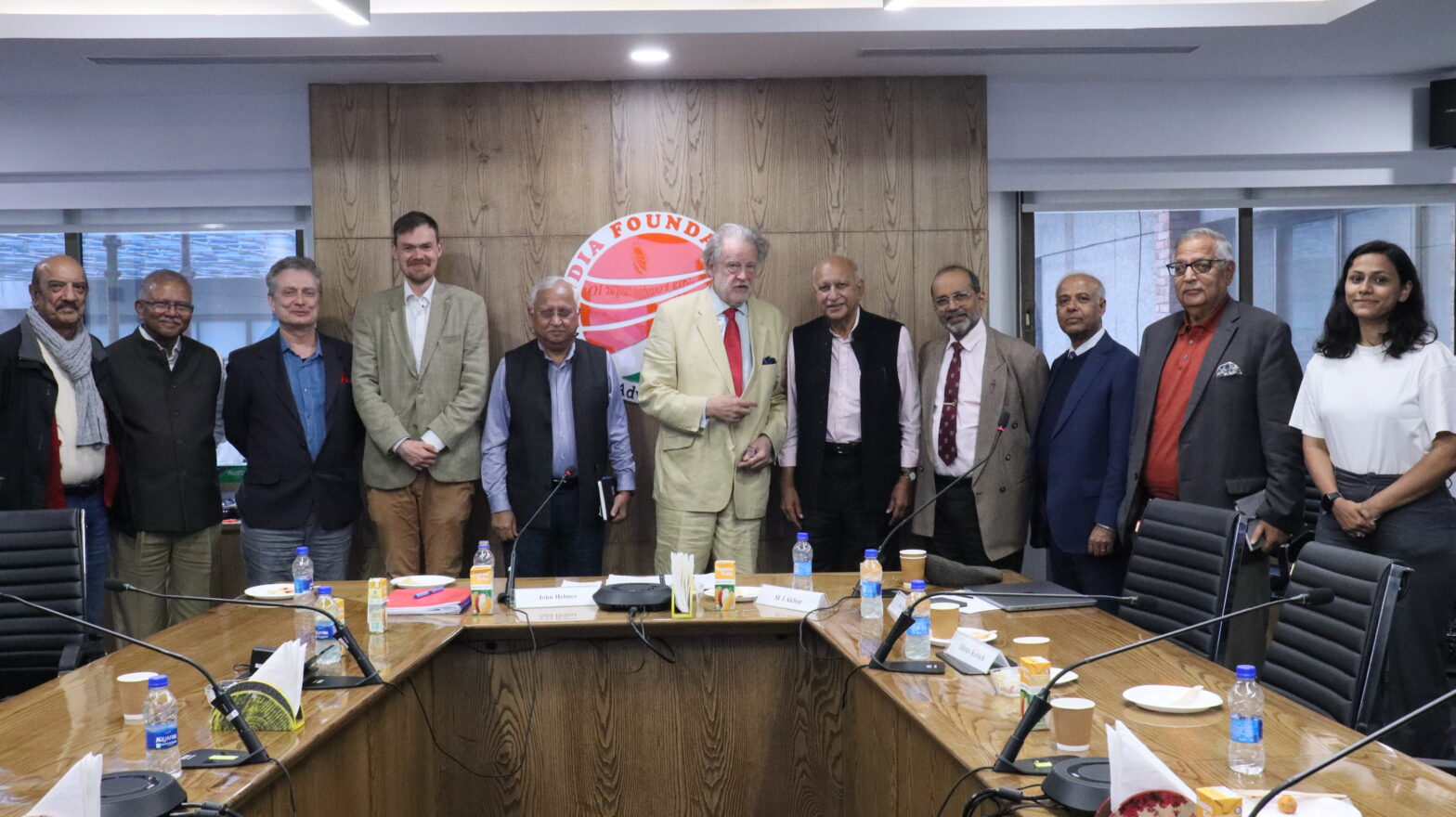
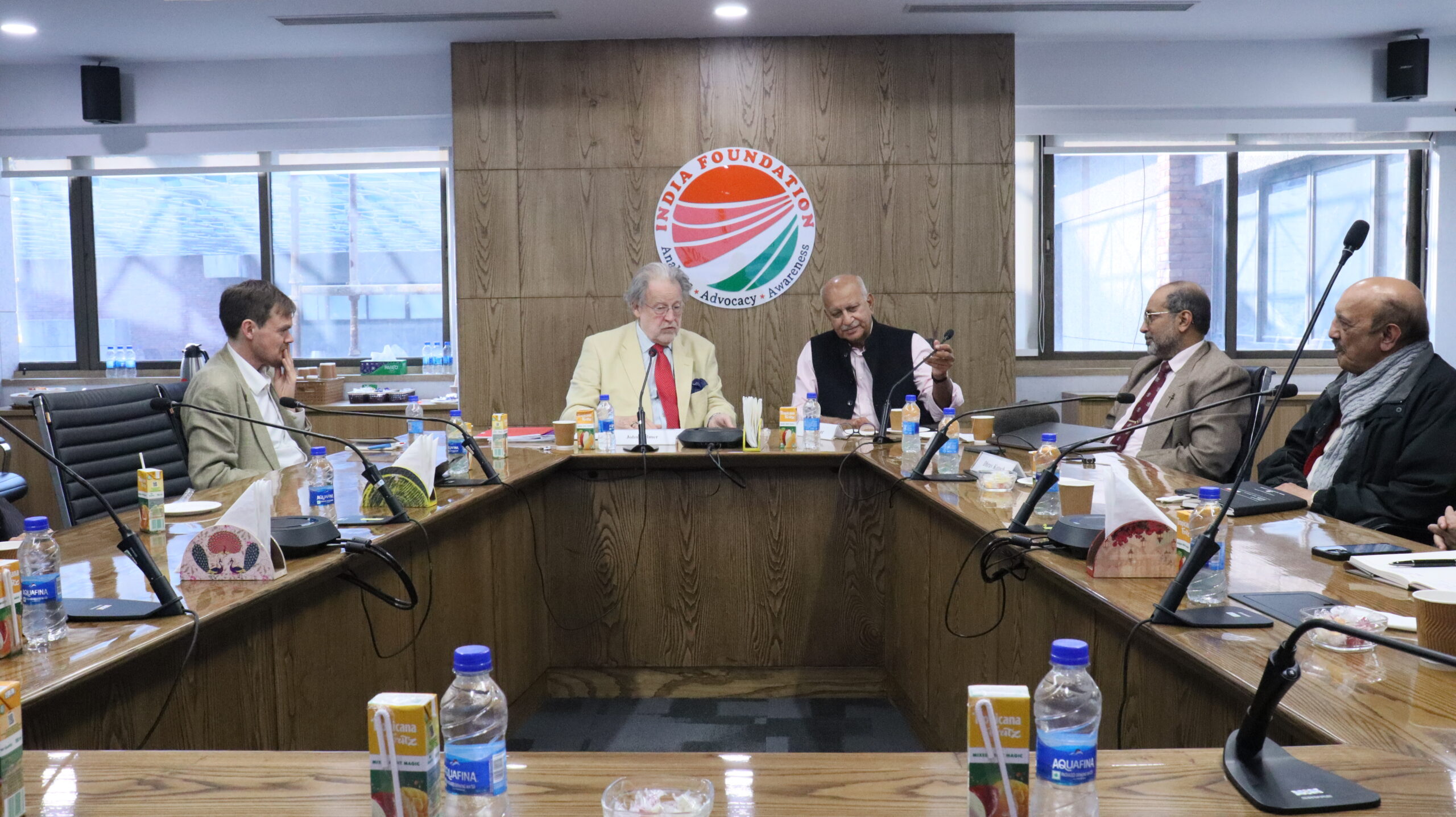
Katha Session 7 was held on 31 October 2025 at the India Foundation Office and featured a delightful talk by Ms. Olga Levchenko on the theme “Pushkin, Cockerels and Antelopes: Russian Fairytales and Folklore.” The session was chaired by Maj. Gen. Dhruv Katoch, Director, India Foundation and was attended by researchers, students, and lovers of literature who gathered to explore the colourful and imaginative world of Russian traditions.

Ms. Olga Levchenko is a respected scholar of Russian literature and folklore, known for her work on classical narratives and their modern interpretations. Her engaging speaking style immediately connected with the audience. She began the session by introducing the key features of Russian fairytales—magical settings, heroic characters, unexpected twists, and strong moral messages. She explained how these stories have been passed down through generations and continue to hold a special place in Russian culture.

A major part of her talk focused on the works of Alexander Pushkin, one of Russia’s most celebrated literary figures. Olga explained how Pushkin collected, adapted, and retold traditional folk stories in his own poetic style. She discussed some of his well-known tales, such as The Tale of the Golden Cockerel, and described how symbols like the cockerel and the antelope appear again and again in Russian folk narratives. According to her, these symbols are not just decorative but carry deep cultural meaning—representing warning, protection, and the presence of the mystical in everyday life.

Olga also presented some of her paintings and drew interesting comparisons between Indian and Russian folk traditions, pointing out how both cultures use stories to preserve wisdom and guide future generations.

The session ended with a lively question-and-answer segment.


3rd India-WANA Dialogue

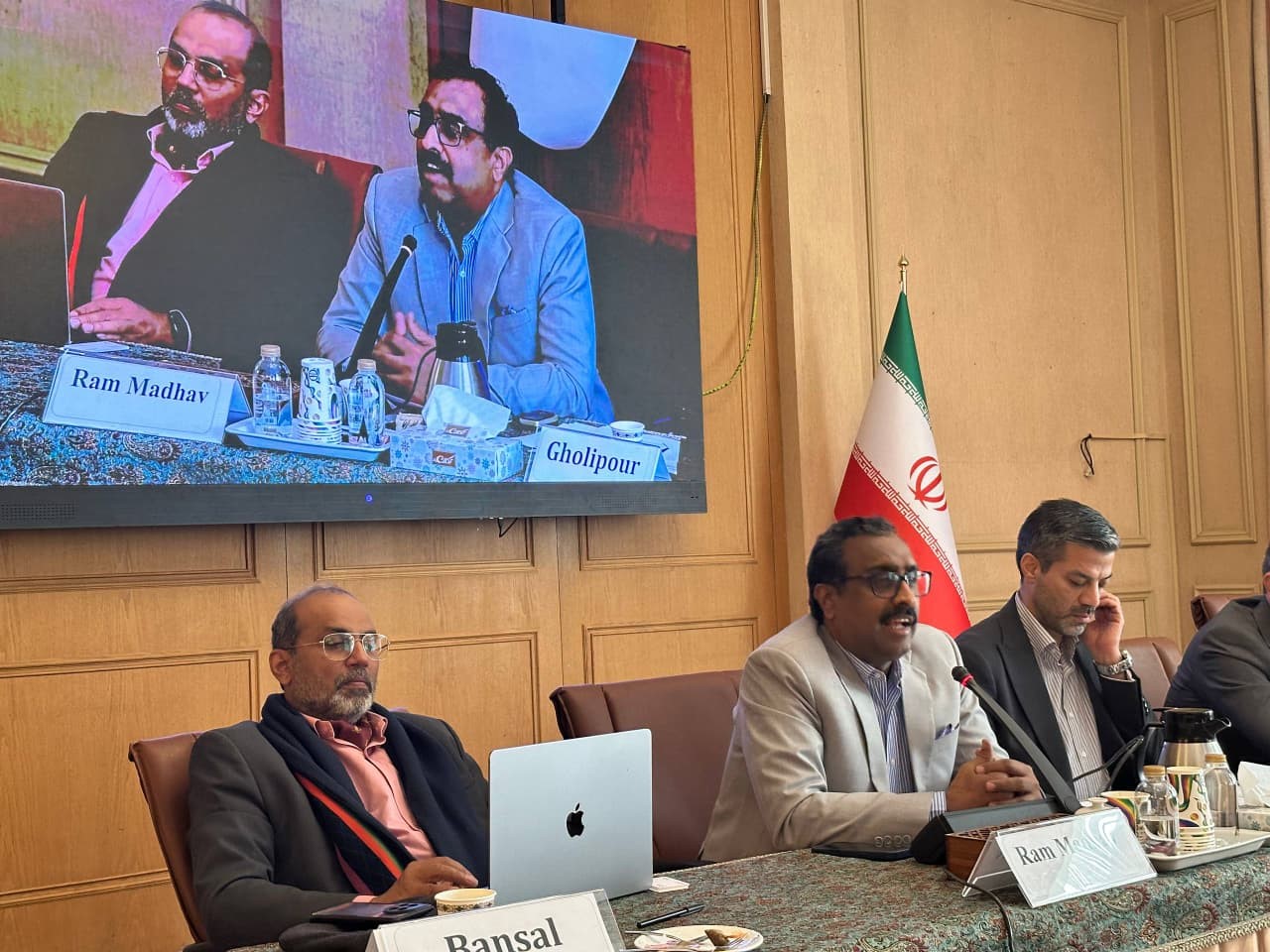
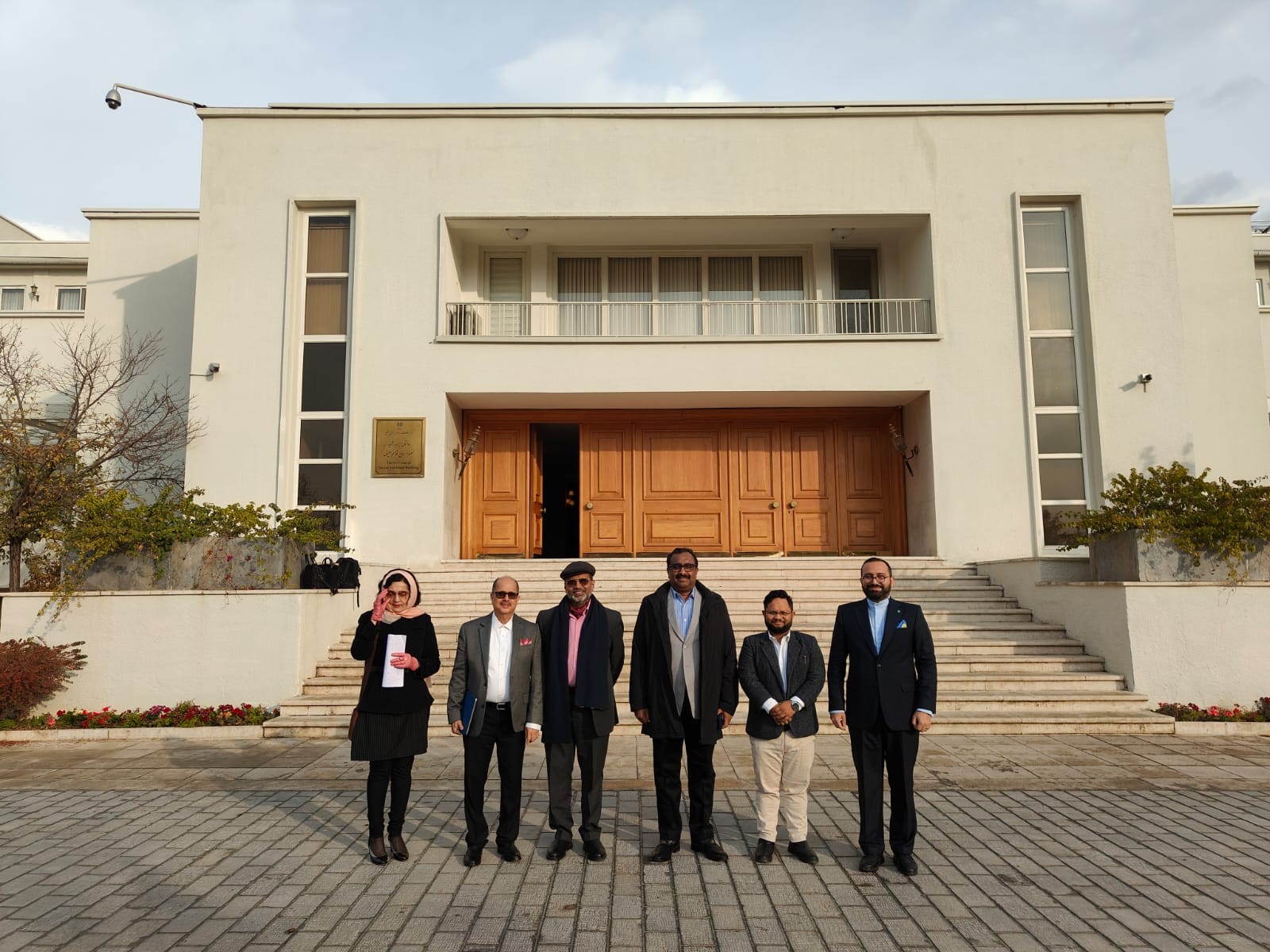
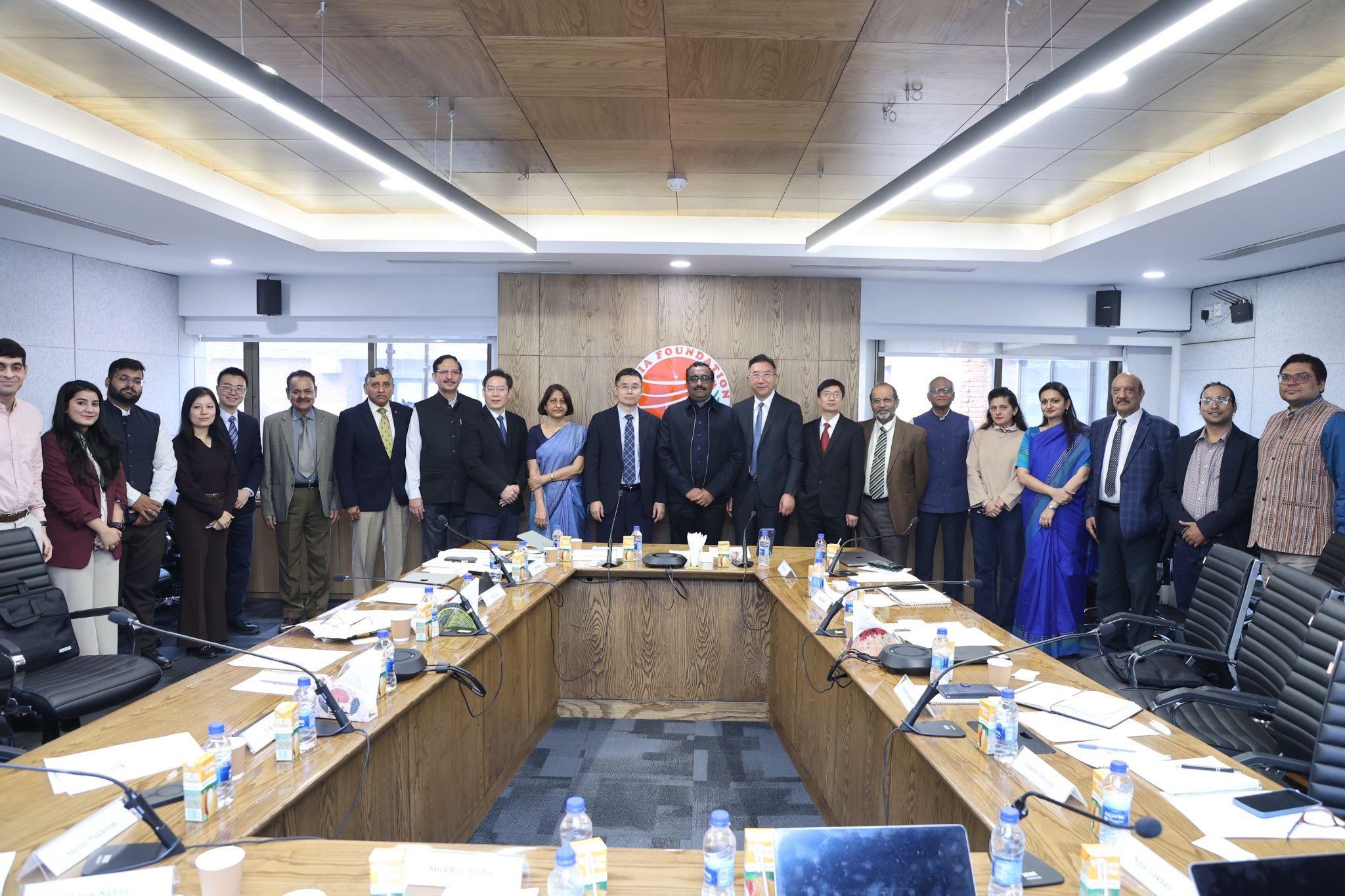
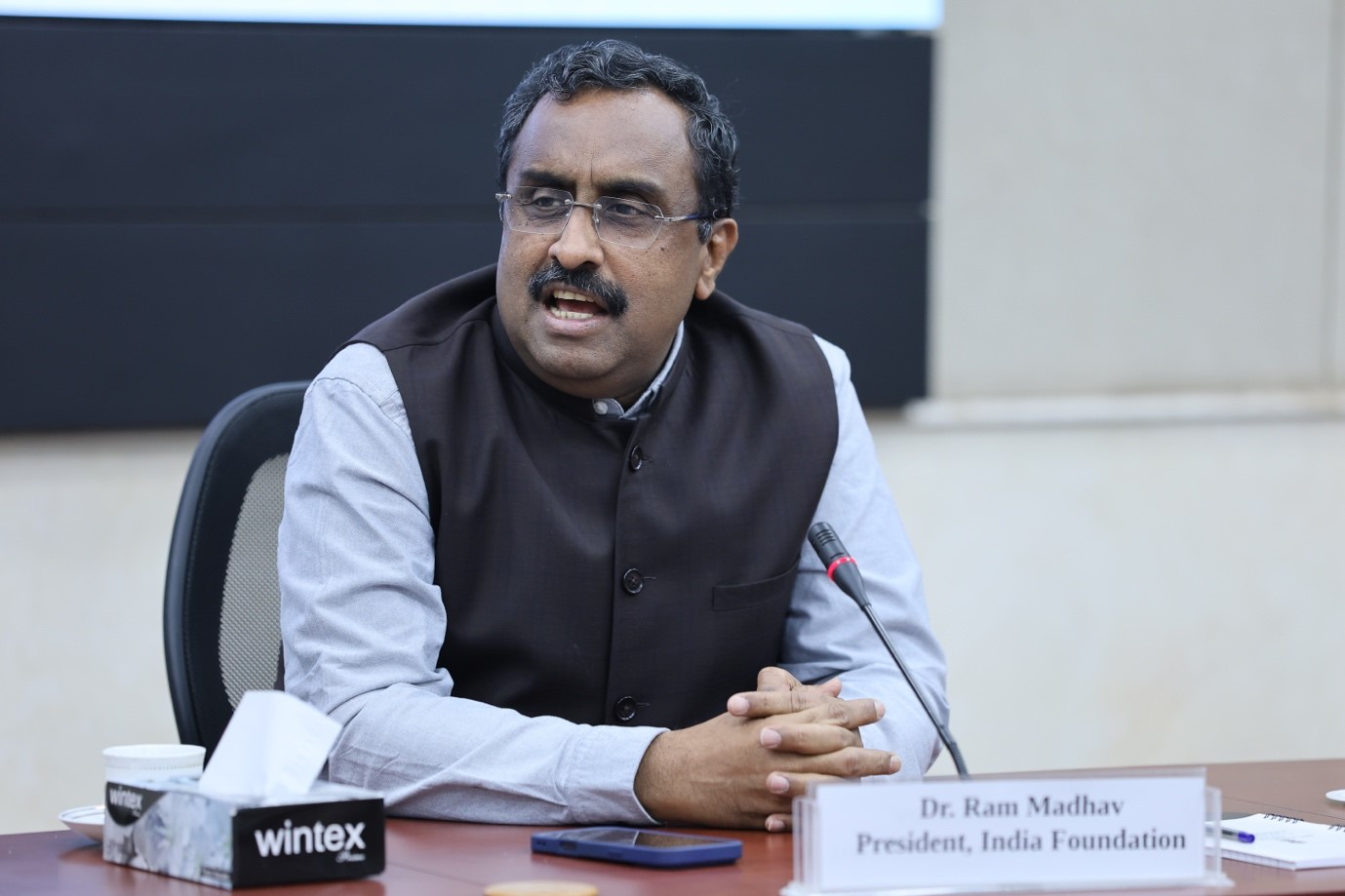
A delegation from India Foundation attended the 3rd India-West Asia and North Africa (WANA) Dialogue, organised by the Egyptian Council for Foreign Affairs (ECFA) in Cairo, Egypt, from 27 to 31 October 2025, representing a pivotal advancement in enhancing India’s strategic involvement with this crucial region. The delegation was led by Dr Ram Madhav, President of India Foundation, and also included Capt Alok Bansal, Executive Vice President, India Foundation; Air Marshal (Retd.) Pramod Kumar Roy, former Commander-in-Chief of Andaman and Nicobar Command; Dr Ausaf Sayeed, former Secretary (CPV & OIA) in the Ministry of External Affairs and former Ambassador to Saudi Arabia, Yemen, and Seychelles; Ms Prabha Hanmanth Rao, Distinguished Fellow and Executive Director of the South Asian Institute for Strategic Affairs; and Dr Pavan Chaurasia, Research Fellow India Foundation.

On 28 December, the delegation visited the Suez Canal Museum where it was briefed about the history of the canal and its other aspects. On the same day, the delegation was hosted for a dinner by H.E. Amb. Suresh K Reddy, Ambassador of India to Egypt. The conference officially began on 29 October 2025 at ECFA premises in Cairo. The session started with the address by Dr Ram Madhav, who delivered the opening remarks, which centred the two-day discussions on the topics of civilisational interconnection, common security issues, and the advantages of a multipolar global order.

The first day discussion concentrated on the developing strategic partnership between India and Egypt, which was elevated to its highest status during President Abdel Fattah el-Sisi’s visit to New Delhi as the Chief Guest on India’s Republic Day in 2023 and Prime Minister Narendra Modi’s landmark visit to Cairo later that year. Both sided analysed the significant expansion of bilateral commerce, which exceeded $7 billion in recent years, and pinpointed emerging opportunities in defence co-production, renewable energy, digital infrastructure, and agricultural technologies. Significant emphasis was placed on the International Solar Alliance (co-founded by India) and Egypt’s ambitious green hydrogen and Suez Canal industrial zone initiatives as potential convergence points. The Indian delegation emphasised Egypt’s crucial position as a link to Africa and the Arab world, while the Egyptian side acknowledged India’s developmental paradigm and its leadership in advancing the interests of the Global South. Both parties concurred that improved connectivity via the India–Middle East–Europe Economic Corridor (IMEC), with Egypt as a pivotal hub, provided a strategic counterweight to alternative regional and global infrastructure initiatives.

The second day evolved into an open, thorough dialogue with academics from the WANA region regarding the persistent crises in Libya, Sudan, Syria, and Yemen. Regarding Libya, the discussion acknowledged the persistent fragility of the political process despite the 2020 truce and examined how foreign parties may assist UN-led reconciliation without intensifying factional differences. The discussion also focused on the humanitarian crisis in Darfur and the pressing need for regional countries to promote inclusive dialogue and humanitarian access, with special attention to the horrific civil conflict in Sudan between the Sudanese Armed Forces and the Rapid Support Forces. The situation in Syria was examined regarding the post-Assad transition (considering developments in late 2024 to early 2025), with both sides recognising India’s principled position of endorsing Syrian sovereignty and territorial integrity while promoting reconstruction aid contingent upon inclusive governance. During the discussion, a common perspective surfaced that both India and Egypt perceived themselves as civilisational nations, pursuing strategic autonomy in a progressively polarised world. There was significant consensus on modernising global governance institutions, addressing religious extremism, and advocating for a balanced approach to the Palestinian issue. At the conclusion of the dialogue on 31 October 2025, participants demonstrated a strong commitment to institutionalising the India–WANA track, with the subsequent round scheduled to be held in New Delhi. The delegation also called on H.E. Amb. Amre Hamzah, Assistant Foreign Minister for Asian Affairs, Government of Egypt at the New Administrative Capital of Egypt.


IF-IHC Book Discussion on “Shattered Lands: Five Partitions and the Making of Modern Asia”

A book discussion on “Shattered Lands: Five Partitions and the Making of Modern Asia” by author and scholar Sam Dalrymple was jointly organised by India Foundation and India Habitat Centre on 24th October 2025, at India Habitat Centre, New Delhi. The session was moderated by Capt Alok Bansal, Executive Vice President, India Foundation and featured eminent discussants like; Prof. Raghuvendra Tanwar, Chairman of the Indian Council of Historical Research (ICHR); Shri R. Prasannan, Resident Editor, The Week and Malayala Manorama and Prof. Amitabh Mattoo, Dean and Professor, School of International Studies, JNU.

The discussion focused on reflections on the continuing relevance of partition in understanding modern Asia’s political and cultural evolution. The book, which examines five major partitions across the continent, goes beyond the familiar narrative of India’s division in 1947 to include other historical ruptures that shaped the 20th century.

The book seeks to weave together multiple histories of division and displacement across Asia, revealing how the creation of borders continues to influence identities, communities, and state-building efforts even today. The book emphasised the importance of looking at partition not only as a political event, but as a deeply human experience that continues to shape collective memory.

The panel discussion brought out diverse perspectives on the themes explored in the book. Panelists examined how stories of migration, identity, and loss remain relevant across regions and how historical understanding can foster cooperation in a fractured world.  Speakers reflected on the book’s extensive research and narrative approach, which interweaves personal accounts, archival material and contemporary reflections.

Panelists underscored that Shattered Lands contributes significantly to the growing body of literature that seeks to humanise historical discourse. The session concluded with an interactive segment with the audience. The discussion reaffirmed that exploring the shared histories of the region remains crucial to building bridges of empathy, understanding and cooperation among neighbouring nations.
 

IF Technology Roundtable – India Foundation Technology Ecosystem Roundtable

Date- 24th October 2025

Venue- IISER Pune

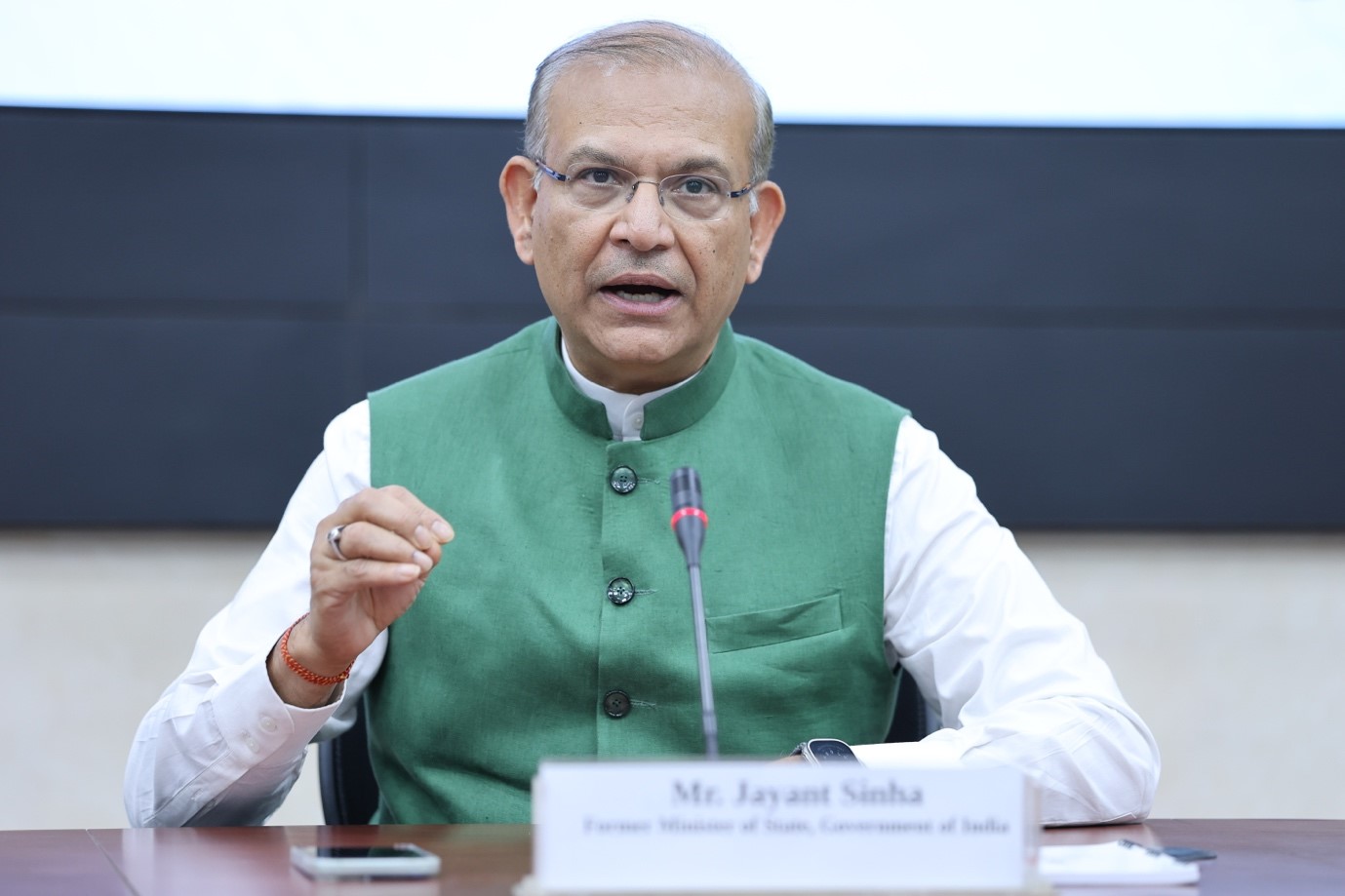
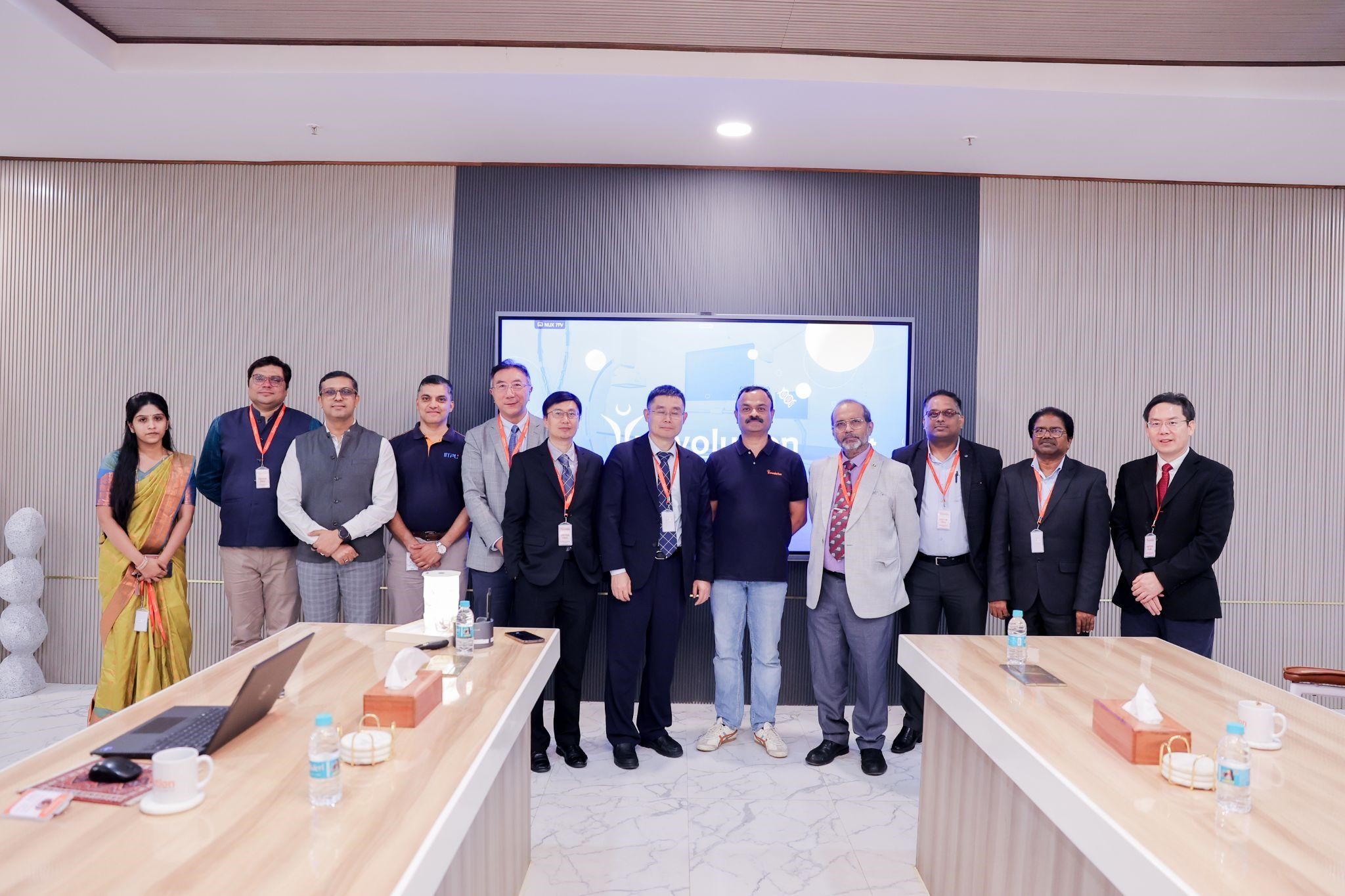
India Foundation hosted its 5th Technology Roundtable at the Indian Institute of Science Education and Research (IISER), Pune. This event was jointly organized with ICMR-National Institute of Virology, Pune and DBT-National Centre for Cell Science (NCCS). The session was jointly chaired by Dr. Ram Madhav, President of the India Foundation, and Shri Jayant Sinha, Former Minister of State for Finance and Civil Aviation.

The focused discussion centered on India’s Biotechnology Landscape, specifically examining the MedTech Industry, Molecules, and the Challenges of navigating tariffs in uncertain times. This closed-door session brought together a diverse group of stakeholders, including industry experts, academicians, subject matter specialists, and government representatives, all of whom actively contributed to the discussion.


Civic Reception of H.E Harini Amarasuriya, Hon’ble Prime Minister of Sri Lanka

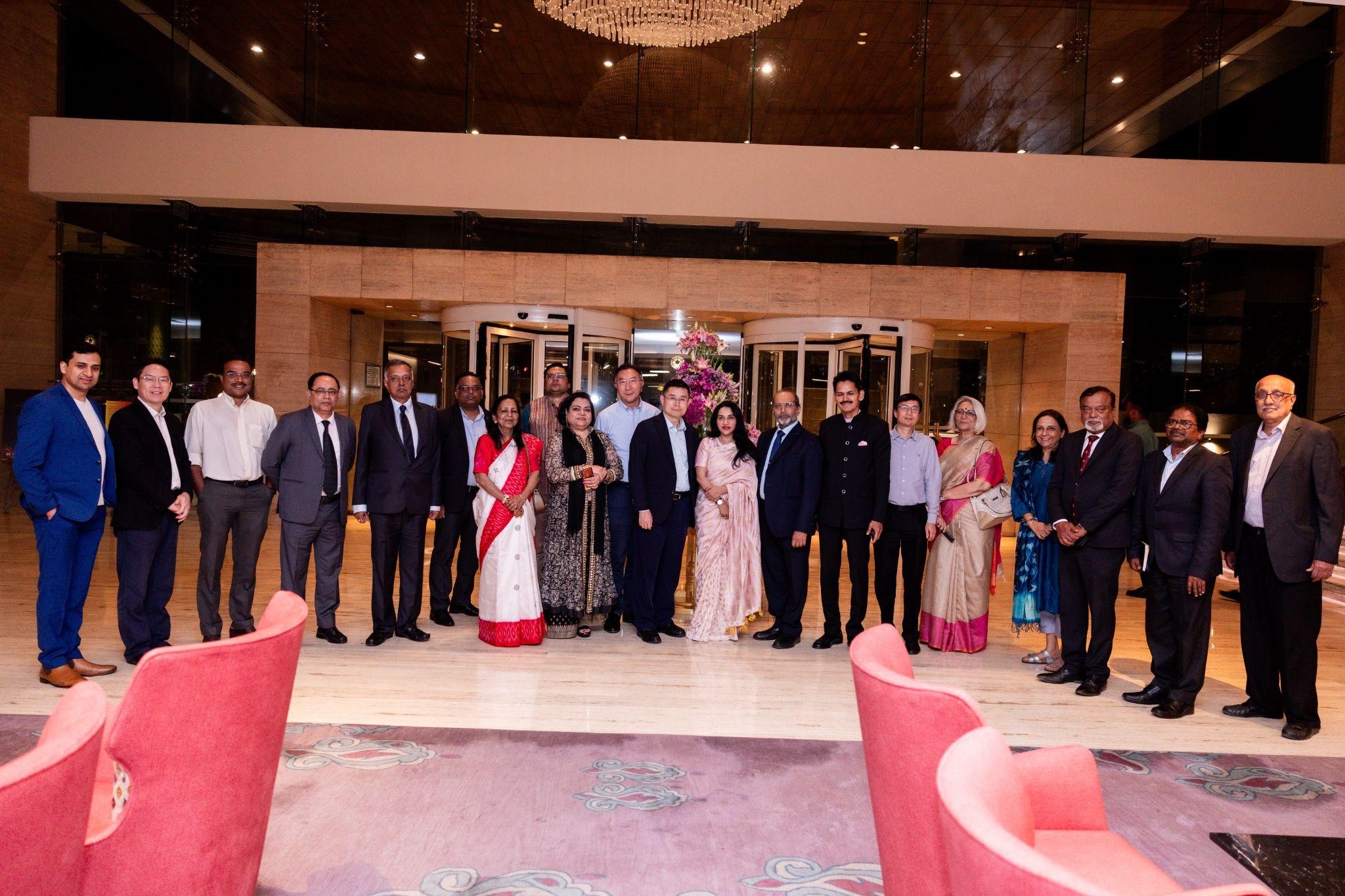
A Civic Reception was hosted by India Foundation in honour of the Prime Minister of Sri Lanka, Her Excellency Harini Amarasuriya on 18th October 2025 at ITC Maurya, New Delhi. The reception was addressed by Shri Ram Nath Kovind, Former President of India; Shri Hardeep Singh Puri, Minister of Petroleum and Natural Gas of India; Dr Ram Madhav, President, India Foundation and Shri Jayant Sinha, Former Minister of State and Member, Governing Council, India Foundation.

The event began with the welcome address by Shri Hardeep Singh Puri, the Hon’ble Minister of Petroleum and Natural Gas, who expressed his profound gratitude to Her Excellency Harini Amarasuriya for attending the event and gracing it with her presence. He also spoke about his long relationship with Sri Lanka and he mentioned the very strong historical and cultural ties that have been characterising the India–Sri Lanka dialogue. While referring to India’s development trajectory, Shri Puri pointed out that India’s governance model has shifted from women-centred development to women-led development, during the course of the dynamic leadership of Prime Minister Narendra Modi, with his pioneering programmes like Swachh Bharat, Pradhan Mantri Awas Yojana, and women’s reservation in legislatures. He also highlighted the areas of working jointly, like energy connectivity, renewable projects, and the setting up of the Trincomalee oil terminal, and thus emphasised India’s role in the development of Sri Lanka and in the country’s energy security. Furthermore, he also highlighted the growing collaboration between India and Sri Lanka in the fields of trade, infrastructure, maritime security, and regional connectivity, and reiterated India’s determination to cooperate with Sri Lanka for peace and prosperity in the Indian Ocean region.

Former President of India, Shri Ram Nath Kovind, spoke about the moral and spiritual underpinnings of the India–Sri Lanka relationship. He recalled that Emperor Ashoka’s emissaries crossed oceans carrying messages of compassion and wisdom, and that the teachings of the Buddha continue to connect the nations in friendship and mutual respect. At the same time, he pointed out that India has always stood, and will continue to stand, with Sri Lanka in its times of need, including during its recent economic crisis. India’s actions have been guided, and are being guided, by the principle of neighbourhood first. He emphasised the need for cooperation on trade, health, the energy transition, and digital connectivity, and that together, these will set the foundation for a stable, peaceful, and prosperous Indian Ocean region. He highlighted the role of the Tamil community as a living bridge between the two nations, and expressed his hope that reconciliation and inclusive development together will continue to create peace and harmony in Sri Lanka.

In her remarks, Her Excellency Harini Amarasuriya, the Prime Minister of Sri Lanka, spoke of India’s advancement as being truly representative of resilience and change for the region, and that Sri Lanka truly appreciates India’s vision of Viksit Bharat as a sense of motivation for inclusive and sustainable growth across South Asia. She pointed out that there is tremendous potential for economic and developmental collaboration between India and Sri Lanka in trade, renewable energy, technology, and culture. She further highlighted that the relationship between India and Sri Lanka is not just diplomatic, but is driven by shared history, spiritual heritage, and people-to-people exchanges. The Prime Minister recognised and acknowledged India’s timely and consistent support during Sri Lanka’s economic recovery, and looked forward to building a stronger partnership into the future, continuing to find common ground that parallels shared aspirations of prosperity and regional advancement.

Shri Jayant Sinha thanked and welcomed Her Excellency Amarasuriya on behalf of India Foundation. He indicated that the partnership between India–Sri Lanka serves as an example of a long-standing relationship characterised by deep understanding.

The event closed with concluding remarks by Dr. Ram Madhav who mentioned the profound civilisational and spiritual ties between India and Sri Lanka and felt hopeful the two nations would continue to embrace a spirit of harmony, growth and prosperity together as a region.


101st India Foundation Dialogue

Date: 16/10/2025 (Thursday)
Time: 15:00–17:00
Speaker: Shri Amar Sinha, Former Ambassador of India to Afghanistan
Topic: India’s Approach Towards Afghanistan under Taliban Regime

The 101st India Foundation Dialogue was held on 16 October 2025 from 3:00 PM to 5:00 PM (IST). The session featured Shri Amar Sinha, Former Ambassador of India to Afghanistan, who delivered an insightful address on “India’s Approach Towards Afghanistan under Taliban Regime.” The dialogue provided a pragmatic and historically grounded analysis of the evolving situation in Afghanistan and outlined the choices before India in dealing with the Taliban regime.

Shri Sinha began by tracing the Taliban’s evolution from its origins in the 1990s to its current form. He explained that the first Taliban was seen as a Pakistan-backed proxy created during the Afghan civil war, with no real legitimacy or control over the entire country. India, at the time, supported the Northern Alliance and viewed the Taliban as a destabilising force. However, after two decades of foreign military presence, the Taliban’s image within Afghanistan has transformed. The group has sought to portray itself as a nationalist movement that fought for independence from foreign occupation. This shift, he argued, was made possible by the corruption, inefficiency, and urban elitism of the previous Afghan governments, which alienated the rural and tribal base that forms the core of Afghan politics. “No nation—small, medium, or large, can be run by a diaspora sitting outside; it needs roots in the country,” he emphasised.

On Pakistan’s role, Shri Sinha observed that while Islamabad created and sheltered the Taliban, it has gradually lost control over them. The Taliban leadership in Kabul increasingly wants to assert its independence, even though Pakistan continues to exercise influence through certain factions. From the Afghan perspective, he said, India continues to be viewed positively, with centuries-old trade, cultural, and familial ties still shaping Afghan perceptions. Sinha warned, however, that India must avoid a Pakistan-centric lens in its Afghan policy. Reducing Afghanistan to a theatre of rivalry with Pakistan, he argued, weakens India’s credibility and makes its approach appear transactional rather than principled.

Discussing security issues, Shri Sinha maintained that while Pakistan-sponsored terrorism remains a challenge, it does not pose an existential threat to India. He cautioned against an overly security-driven view of Afghanistan and urged for pragmatic engagement based on ground realities. “We must deal with the situation as it is, not as we wish it to be,” he remarked. He noted that the Taliban’s internal structure is far from unified- there are visible rifts between the pragmatic, Kabul-based leadership and the hardline clerical faction. Although the Taliban government has managed to reduce corruption and improve customs revenue, its regressive social policies, particularly the restrictions on women, are eroding its internal legitimacy and drawing criticism even from conservative Afghans.

Shri Sinha also addressed the diplomatic complexities surrounding India’s engagement with the Taliban, highlighting recent incidents that exposed the sensitivities of such interaction. Despite these challenges, he emphasised that India must remain engaged to retain influence and prevent Afghanistan from drifting into deeper isolation. He lamented the sharp decline in trade, education, and medical exchanges between the two countries since 2021 and urged for their revival, noting that such people-to-people ties are crucial for both humanitarian and strategic reasons.

Concluding his address, Shri Sinha called for a calibrated policy that balances realism with principle. India, he said, should preserve its civilisational and cultural links with Afghanistan while safeguarding national interests through constructive engagement. Isolation, he cautioned, would strengthen hardline forces and reduce India’s leverage. The way forward, he suggested, lies in pragmatic diplomacy, developmental cooperation, and sustained humanitarian outreach, an approach that reflects both India’s strategic wisdom and its moral responsibility in the region.


IF-IHC Panel Discussion on ‘Indian Perspective on Myanmar Elections and Its Aftermath’

On 13th October 2025, India Foundation in collaboration with India Habitat Centre organised a panel discussion on ‘Indian Perspective on Myanmar Elections and Its Aftermath’. The panel consisted of Shri. Rajinder Khanna, Former Additional National Security Advisor; Ms. Rami Niranjan Desai, Distinguished Fellow, India Foundation; Shri Om Prakash Das, Research Fellow, MP-IDSA; Shri Rajiv Bhatia, Former Ambassador of India to Myanmar and Distinguished Fellow, Gateway House.

The session was moderated by Shri Alok Bansal, Executive Vice President, India Foundation, who in his address highlighted that “elections possess the transformative potential to usher in prospects of peace and development.” He further noted that in today’s interconnected world, media and technology enable a two-way flow of communication, which should form the foundation of constructive engagement and progress in the region. Shri Bansal also observed that Myanmar’s governance and territorial control have long been influenced by various armed organisations, making the country’s political transition particularly complex and multifaceted.

The speakers shared nuanced perspectives on Myanmar’s internal dynamics, the conduct of the elections, and the subsequent political developments. Speakers discussed the continuing influence of the military, the challenges of restoring democratic governance, and humanitarian concerns arising from internal displacement and conflict. The discussion underscored that the situation in Myanmar remains fluid and deeply consequential for the broader South and Southeast Asian region. While the elections were expected to serve as a step towards democratic consolidation, the ensuing political fragmentation has revealed the fragility of the country’s institutions and the entrenched role of the military and armed organisations in governance.

From an Indian perspective, the discussion underscored the delicate balance that the government must maintain- upholding democratic values while safeguarding its strategic and security interests. Experts highlighted the importance of continued engagement with Myanmar’s various stakeholders. Discussants also reflected on the responses of ASEAN and other international actors, analysing the impact of geopolitical competition in the Indo-Pacific on Myanmar’s trajectory. The session reaffirmed that Myanmar’s path to peace and democracy will be long and uncertain, but continued engagements offers the best hope for positive transformation.

Upon completion of the discussion, a report titled ‘Myanmar: A Struggle for Stability,’ based on Ms Rami Niranjan Desai’s expertise and fieldwork, which incorporated visits to different parts of Myanmar was released. Link of the Report:

https://indiafoundation.in/category/report/


Interaction with Executives of VEB.RF | Event Report | October 7, 2025

On October 7, 2025, India Foundation organised an interaction with the executives of VEB.RF, a Russian state development corporation and investment company, at Magnolia, India Habitat Centre, New Delhi.

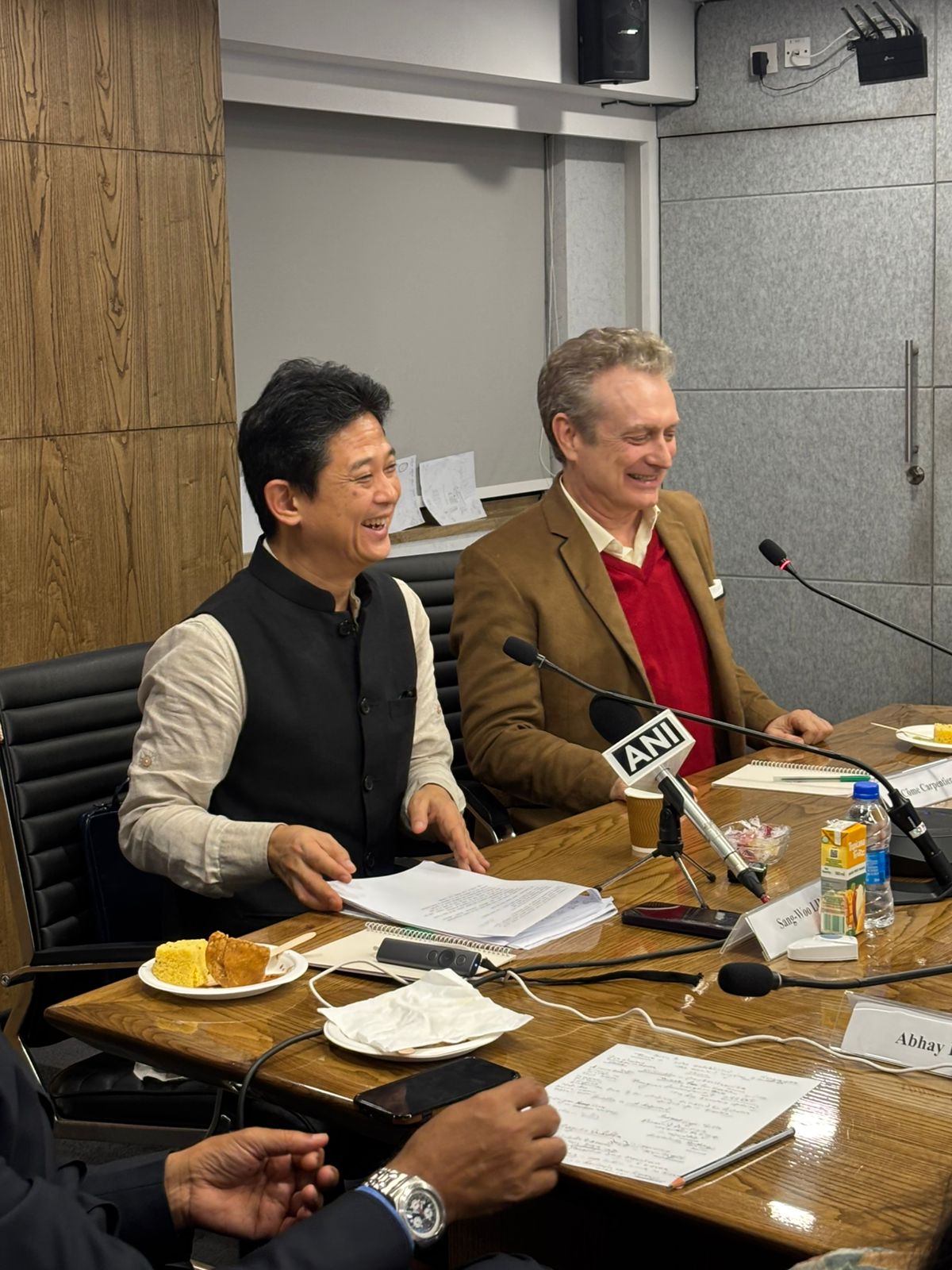
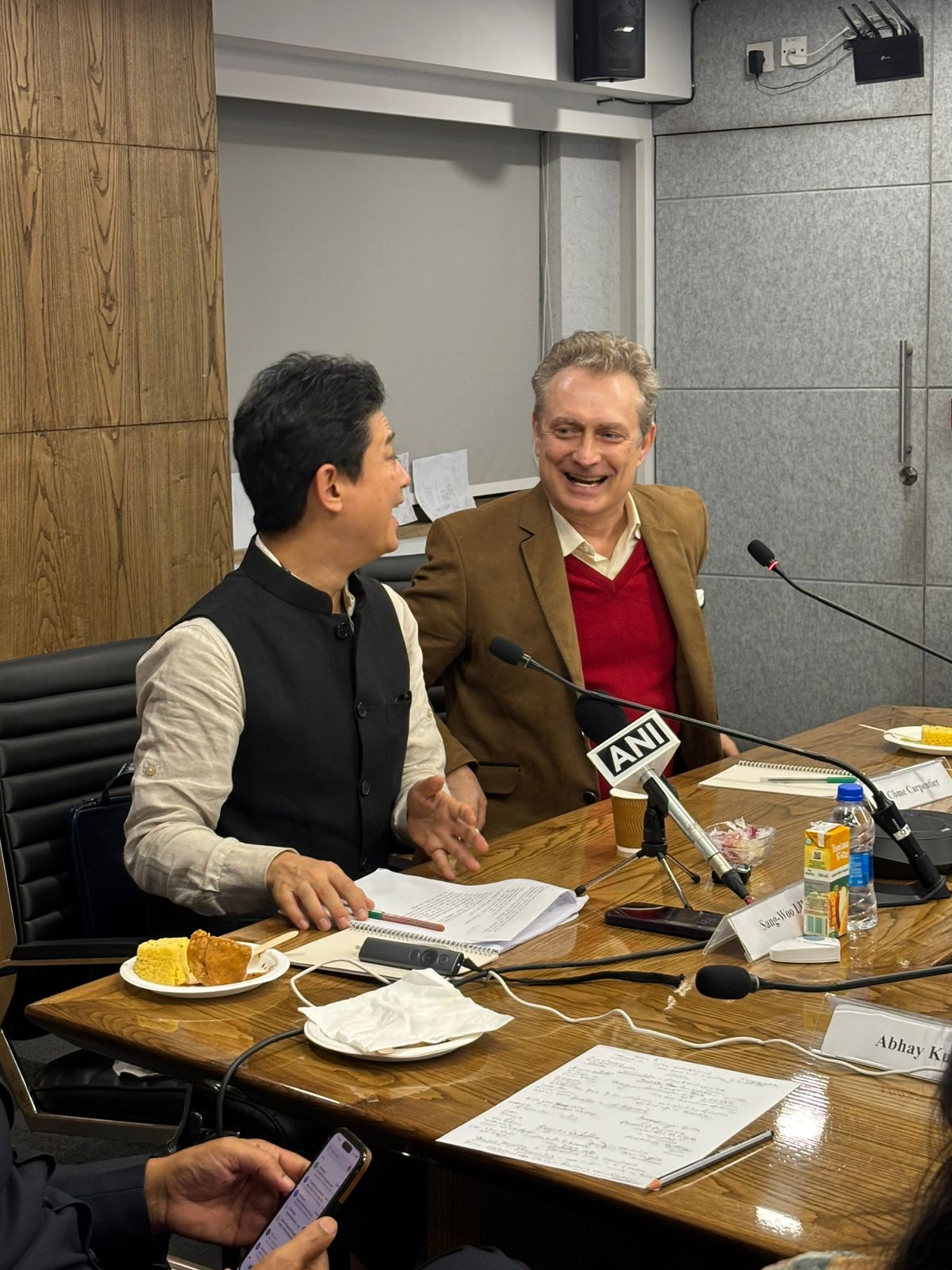
The interaction was chaired by Mr. Côme Carpentier, Distinguished Fellow, India Foundation, and addressed by Dr. Ram Madhav, President, India Foundation, and Dr. G. Satheesh Reddy, Former Chairperson, Defence Research and Development Organisation, and Member, Governing Council, India Foundation.

While welcoming the 35-member delegation to the interaction, Mr. Carpentier underscored the depth of bilateral ties between India and Russia and their importance in the evolving multipolar order. Dr. Madhav, in his address, reiterated the goals of shared growth and prosperity between Russia and India. He underlined the need for India to rise as a strong economy, fulfilling the national priority of becoming a USD10 trillion-economy. Dr. Madhav also directed the delegates’ attention to the need for the empowerment of India’s massive youth population, as well as the steps taken by the government to address it. Describing educational reforms in India, especially the National Education Policy, 2020, he detailed the projects for upskilling the youth and strengthening the tech-driven education in the country.

Speaking of Indo-Russian cooperation in science and technology, he emphasised the strength of India’s information and technology sector and its importance to the Indian economy. He enumerated quantum technology, artificial intelligence, and bio-engineering and genetics as the sectors on which the Indian government is focussing attention. Highlighting the challenges to India’s development story, India’s component dependence for its booming Electronic Vehicle (EV) market on imports is pronounced; developing self-reliance is paramount. Investment in research and development is, as a corollary, expected to catalyse this growth story.

Speaking next, Dr. Reddy spoke of the strategic contours of the bilateral ties between India and Russia. His presentation focussed on the enduring significance of the strategic partnership, along with its evolution from a historically defence-centric relationship into a multifaceted collaboration spanning energy, technology, and innovation. He described how Russia continues to supply a major share of India’s military hardware, with joint ventures in aircraft, tanks, missiles, and naval systems—while new initiatives focus on co-development in drone, radar, AI, and directed-energy technologies. Civil nuclear cooperation remains robust through the Kudankulam project, with future plans for small modular and floating reactors. Economic ties have deepened considerably, with bilateral trade reaching USD 68.7 billion in 2024–25 and a target of USD 100 billion by 2030, supported by new trade routes and diversified exchanges in oil, fertilisers, pharmaceuticals, and steel. He was sanguine about the expansion in scientific and technological collaboration through joint R&D in hyper-sonics, quantum technologies, space, and cyber defence. He mentioned that despite challenges such as sanctions, supply chain delays, and language barriers, the India–Russia relationship is transitioning from a government-to-government model to one emphasizing business partnerships, innovation, and strategic autonomy, positioning both nations to strengthen resilience in a rapidly changing global order.

The session ended with the felicitation of the speakers by representatives of VEB.RF, followed by a noted of thanks by Mr. Carpentier.


3rd India Foundation Legal Dialogue: Article 142 of the Indian Constitution


The third edition of the India Foundation Legal Dialogue took place on 26 September 2025 at the India Foundation Office, India Habitat Centre, New Delhi. The discussion centred on Article 142 of the Indian Constitution. It featured addresses by Justice Hemant Gupta, former Justice of the Supreme Court of India, and Mr Biswajit Dubey, Additional Advocate General.

The discussion was triggered by a ruling of the Apex Court in which, in exercise of its powers under Article 142 of the Constitution, the Supreme Court, in the case of the State of Tamil Nadu vs Governor of Tamil Nadu 2025, invoked Article 142 to treat 10 bills withheld by the Governor of Tamil Nadu as having received assent. The court found the Governor’s inaction and actions unconstitutional, including reserving the bills for the President a second time after the state legislature had re-passed them. This ruling used the Supreme Court’s power to do “complete justice” and set a precedent for Governors to act on bills within a reasonable timeframe, establishing that they cannot indefinitely delay or block bills after they have been re-passed by the legislature. A time limit was also imposed on the President to decide on the bills reserved for his consideration by the Governor within a period of three months from the date on which such reference is received.

Article 142 grants the Supreme Court powers to deliver complete justice. In light of the Supreme Court’s decision, there has been significant public and legal scrutiny of the judgment. The legal intricacies of this decision were examined alongside its more constitutional repercussions. The interaction of the Court’s exercise of these extraordinary powers with Articles 141, 200, 201, and 361 of the Constitution was also discussed.

It was observed that Article 142 has long held a special status within India’s constitutional framework. Unlike Article 141, which codified the binding nature of the declarations of law made by the Supreme Court, Article 142 grants the Court the authority to pass such a decree or make such an order as it deems necessary to achieve complete justice in any cause or matter before it. The framers designed this broad, open-ended phrase to give the Supreme Court an unprecedented constitutional tool for addressing situations in which strict interpretation of statutory law may not yield a just outcome. Over time, the Court has applied Article 142 in various contexts: family law, criminal justice, service issues, and most recently, high-stakes constitutional cases involving relations between the state and other entities.

During the discussion, it was observed that the recent Tamil Nadu case marked a pivotal moment in the modern constitutional history of Article 142. The Governor had refused to approve several bills passed by the state legislature, repeatedly delaying their approval, and some had been reintroduced after being returned. Subsequently, some bills were bypassed by the President without following the constitutional process. This led to a constitutional deadlock that persisted for a significant period, effectively hindering the functioning of both the state legislature and the executive. The Supreme Court intervened and declared that the reservation of ten bills for the President’s assent by the Governor was “illegal and liable to be set aside”. The exercise of judicial power has been widely debated since the Court ventured into an area traditionally considered a constitutional domain of the Governor and the President.

The differences between Articles 141 and 142, both in writing and in application, were discussed in detail. The fact that Article 141 serves as the Court’s law-declaring function was emphasised. When the Supreme Court interprets the Constitution or a statute, its pronouncements are in rem and binding on all courts and powers throughout the country. This ensures consistency and predictability in the law. Conversely, Article 142 is not a law-declaring provision. It grants the Court authority to shape relief between the parties and administer it within the case to achieve complete justice. Orders made under Article 142 are inter partes binding but do not necessarily serve as precedent. The two provisions occupy distinct yet complementary constitutional roles. Article 141 provides the overarching legal framework, while Article 142 serves as a judicial safety valve—a tool for exceptional cases where the existing law may not deliver fair outcomes.

This distinction was discussed through landmark judgments of the court. In Supreme Court Bar Association v. Union of India, 1998, it was stated that Article 142 may not be invoked to replace substantive law in a way that produces impermissible effects. A Constitution Bench held that the Court’s powers under Article 142 are supplementary and must operate within the constitutional framework. In P. Ramachandra Rao v. State of Karnataka, 2002, a case decided by a seven-judge bench, it was reaffirmed that under Article 142, they could not create legislation by imposing time limits on criminal proceedings, as these rightly form part of the legislative process. These cases reflect the consistent judicial stance: Article 142 is a powerful tool, but it does not authorise the making of laws.

The range of cases in which Article 142 has been applicable throughout history was also discussed. The Supreme Court has frequently invoked Article 142 to annul marriages before the standard time period to facilitate reconciliation, ensuring that ongoing and contentious cases are resolved. Article 142 has been drafted to provide relief in extraordinary circumstances involving service and labour issues. A notable case is State of Punjab & Others vs Rafiq Masih (White Washer) 2014, where the Court relied on Article 142 to prevent employees from being deprived of fair recovery of excess salary payments made in good faith. Additionally, Article 142 has been utilised in criminal law remission cases involving administrative or constitutional inaction. In the case of A.G. Perarivalan v. State of Tamil Nadu 2022, despite no change to the legal framework for remission, the individual petitioner was granted justice through forward remission recommendations, relying on Article 142.

In this jurisprudential context, the Tamil Nadu case was examined in detail. Paragraphs 432 and 433 of the judgment were referenced in the discussion, in which the Supreme Court explained its ruling, stating that assent had been granted under Article 142. As noted, the Court’s reasoning was cautious and deliberate. The Court concluded that the Governor committed clear constitutional violations, since the Governor’s assent alone was the only action permitted by the Constitution. The Court invoked Article 142 to resolve the persistent legislative deadlock. Notably, the Court clarified that its order was not intended to establish a general rule for all similar future cases, but applied solely to the specific situation in which it was issued. The participants affirmed that this was a prudent application of Article 142—a measure necessary to uphold constitutional governance and judicial restraint.

Much was discussed about the effects of this decision on the federal structure and the separation of powers. Participants noted that the flexibility of Article 142 enables the judiciary to act effectively when constitutional actors are unable to perform their duties, thereby preventing constitutional paralysis. Others cautioned that the broad application of Article 142 might lead to confusion between judicial roles and those of the executive or the legislature, raising concerns of overreach. It was emphasised that the legitimacy of powers granted by Article 142 largely depends on the Court’s precise definition of its limits and the exceptional nature of the circumstances.

The discussion also covered the placement of Articles 141 and 142 within the Constitution. The placement of Article 142 after Article 141 was deemed significant. This sequence shows that Article 142 does not alter the law established by Article 141; instead, it acts as a supplement. It does not replace but fills the gaps left by broader legal rules. Jurisprudence from the Supreme Court Bar Association and the P. Ramachandra Rao cases was cited to support this view. Article 142 operates within the overall constitutional framework and must be used in accordance with public policy, federal principles, and the doctrine of basic structure.

They then proceeded to consider the pending constitutional issues left to be decided by the Supreme Court under Article 143. These include whether the Governors and Presidents may have timelines imposed on them by the courts, whether actions taken before assent by a Governor can be subject to judicial review, and whether Article 142 could be used as a substitute for constitutionally assigned roles of Governors and Presidents. It was noted that the Court’s future advisory opinion on such questions would likely define the boundaries of Article 142’s use in federal disputes for many years to come. Although limited to factual circumstances, the Tamil Nadu judgment has successfully initiated a more inclusive constitutional discussion on the extent of judiciary intervention versus constitutional functional autonomy.

During the debate, participants emphasised the importance of judicial self-restraint. Article 142 is a unique constitutional mechanism — it grants the Supreme Court the authority to administer justice in challenging cases, but it does not mean unrestricted power. It is only legitimate when applied cautiously and sparingly. When used appropriately, Article 142 allows the Court to serve as a constitutional check-and-balance, intervening to prevent failures in governance or injustice in extraordinary circumstances. However, if overused, it could threaten the stability of the three branches of government. Additionally, it was noted that courts have procedural timelines—such as those described as “shall” or “may complete”—which are not always strictly followed, making case applications dependent on specific circumstances, much like other constitutional functionaries.

After an extensive discussion, the roundtable identified several issues. To begin with, Article 142 and Article 141 should be properly distinguished both theoretically and practically. The former is case-specific and may act between the parties, whereas the latter is law-declaring and may act in rem. Second, Article 142 is an additional power to act within constitutional limits and is guided by precedent and social policy. Third, although Article 142 may be important in resolving extraordinary constitutional stalemates, as in the case of Tamil Nadu, its application should be limited to such situations. Lastly, the impending presidential referendum is likely to shed much-needed light on how Article 142 may be applied concerning authority, timeframes, and the judicial replacement of constitutional roles.

The Tamil Nadu ruling has thus become a reference point in examining the role of Article 142 in the Constitution of India. It illustrates the potential and limits of judicial authority in upholding constitutional governance. As discussed, Article 142 is not a legislative instrument or a constitutional override. It is a provision designed to prevent justice from being bypassed through procedural gaps, administrative negligence, or exceptional circumstances. It is not only about the scope of its powers but also about the discipline with which it is exercised.


The sixth session of “Katha: The Folklore Circle”

The sixth session of “Katha: The Folklore Circle” was held on 25 September 2025, titled “Cosmic Dance of Sun and Moon: Stories for Equinox”. The evening celebrated the celestial interplay of Sun and Moon, exploring narratives of balance, time and cosmic rhythm across cultures.

Our Master Storyteller was Mr. Nitten Nair, Founder of Mythlok. Drawing on his deep engagement with mythology and narrative traditions, Mr. Nair brought each story to life with vivid imagery, expressive pacing and a nuanced understanding of cultural context. His narration guided the audience through the ways different civilizations have imagined the movement and relationship of the Sun and Moon, connecting celestial patterns to human imagination and values.

The session featured stories including Malina and Igaluk from Inuit mythology, Tsukuyomi and Amaterasu from Japanese mythology, Mayari and Apolaki from Philippine mythology, and Surya and Chandra from Indian mythology. Each tale highlighted themes of harmony, duality, and the eternal interplay between light and darkness.

Attendees were actively engaged, reflecting on the universal symbolism of the Sun and Moon, and drawing parallels with contemporary life, cultural practices, and personal rhythms. The discussion emphasised how myths encode human understanding of time, balance and cosmic order. By the end of the evening, participants left with a renewed sense of connection to global mythologies and the cosmic patterns that shape human imagination, reinforcing Katha’s mission to bridge cultures through storytelling and to invite reflection on timeless narratives.


IF-IHC Book Discussion on ‘Trial by Water: Indus Basin and India-Pakistan Relations’, by Shri Uttam Kumar Sinha

India Foundation, in collaboration with the India Habitat Centre, organised a book discussion on the book ‘Trial by Water: Indus Basin and India-Pakistan Relations’, by Shri Uttam Kumar Sinha, Author and Scholar, on Monday, September 22, 2025, at India Habitat Centre. Dr. DV Thareja, Former Indus Water Commissioner and Former Member (D&R), CWC; Dr. Tara Kartha, Director (R&A), CLAWS; and Amb. Sharath Sabharwal, Former High Commissioner of India to Pakistan, discussed the book with the author. The session was moderated by Capt. Alok Bansal, Executive Vice President, India Foundation.

Shri Uttam Kumar Sinha clarified that the treaty was not solely about water sharing but involved a complex division of river systems, with an 80/20 water allocation split, often perceived as unfair by both nations. He addressed misconceptions about the treaty, emphasizing Nehru’s intent to foster peace, contrasted by opposing motivations from other stakeholders. Shri Sinha noted the pivotal role of engineers, like Gopi Chandra Bhagawan, who resisted concessions to Pakistan, and the influence of U.S. soft power through funding and engineering expertise under “Water for Development.” He stressed the importance of precise wording, advocating for terms like “water development for Kashmiris” over “stoppage,” and clarified that the book focuses on India’s perspective, with one chapter addressing Pakistan’s propaganda.

The panelists provided diverse insights. Dr. DV Thareja described the book as personally resonant, aligning with his experiences overseeing related projects, and highlighted global dam-building trends, particularly China’s 6,000 dams. Dr. Tara Kartha refuted Pakistan’s claims of water shortages, citing IRSA data, and discussed recent floods causing significant damage in Punjab and the depletion of glaciers, noting Pakistan’s upper riparian advantage on the Kabul River. Amb. Sharath Sabharwal praised the book’s accessibility and research, emphasizing the treaty’s lack of resilience, its controversial nature, and the need to understand the Indus Basin’s history to address future challenges, amid emotive public debates and mistrust in India-Pakistan relations. The discussion underscored the intricate interplay of water, geopolitics, and diplomacy in the Indus Basin. The event highlighted the treaty’s engineering-driven origins, its ongoing challenges, and the emotional complexities encapsulated in the sentiment that “blood and water cannot flow together.”


Explide
Drag